
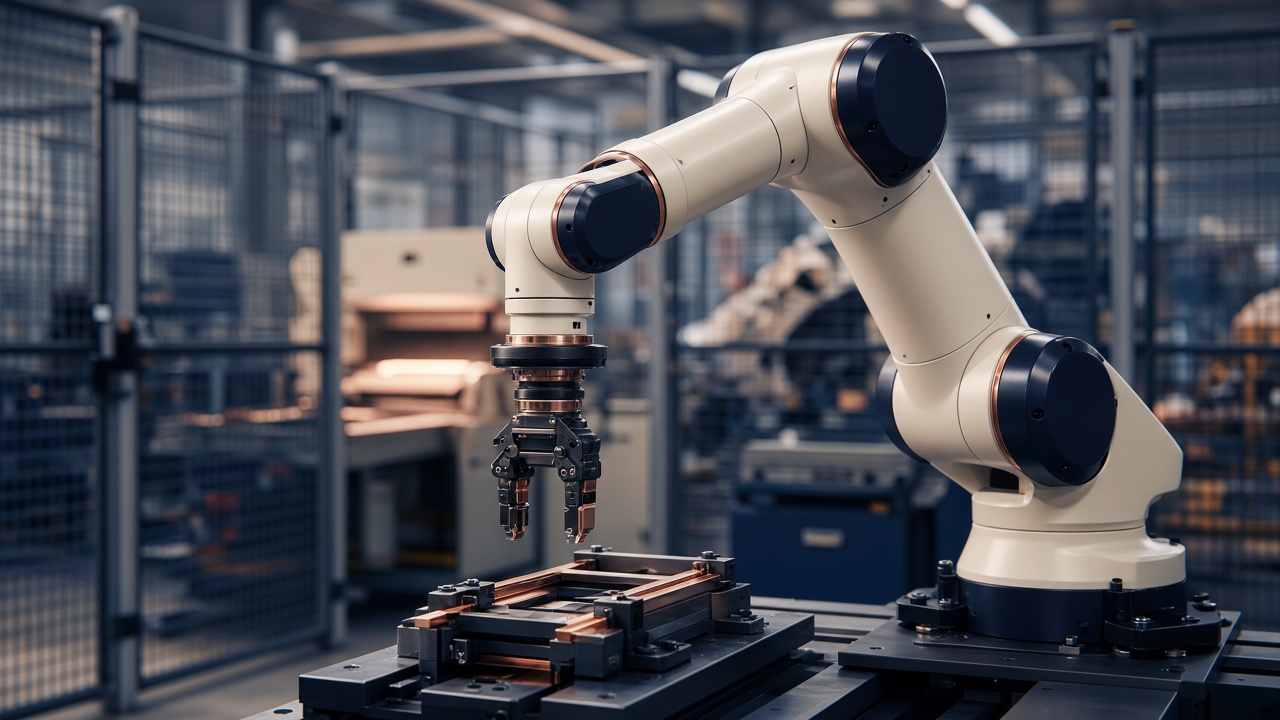
Machinery & Robotics compliance
Robotics Safety and Compliance
Machinery and robotics compliance for AMRs, AGVs, cobots, robot arms, mobile manipulators, humanoids, and construction and field robots, organized by robot category.
Why robotics programs need their own path
A robot is never assessed in the abstract. An AMR is judged on the aisle it runs; a cobot on the part it carries; a construction robot on a site it shares with three other trades. Generic machinery checklists miss exactly the questions your customer’s EHS board, a Notified Body, or a site principal contractor will ask first.
Scope is organized by robot category: operational domain, hazard set, safety architecture, validation on the real configuration, then the technical file and declaration.
Standards and deadlines on your roadmap
Three regulatory changes affecting most robotics programs.
EU · from 20 Jan 2027
Machinery Regulation (EU) 2023/1230
Replaces the Machinery Directive 2006/42/EC from 20 January 2027. Adds explicit requirements for autonomous mobile machinery, AI-driven safety functions and cyber protection of safety-related control systems, and moves some high-risk categories to mandatory third-party assessment.
North America · mobile robots
ANSI/A3 R15.08-1 & -2
The North American safety standard for industrial mobile robots. Part 1 covers the robot manufacturer; Part 2 covers integration, the application and the user site. AMR and mobile manipulator buyers increasingly ask for evidence against both parts.
North America · service robots
UL 3300
UL’s safety standard for service, communication, information, education and entertainment (SCIEE) robots — delivery, hospitality, cleaning, retail and companion robots that operate around the public.
Robot categories
Mobile, arms & collaborative, and heavy & field. Each category page lists the applicable standards and validation.
Mobile robots
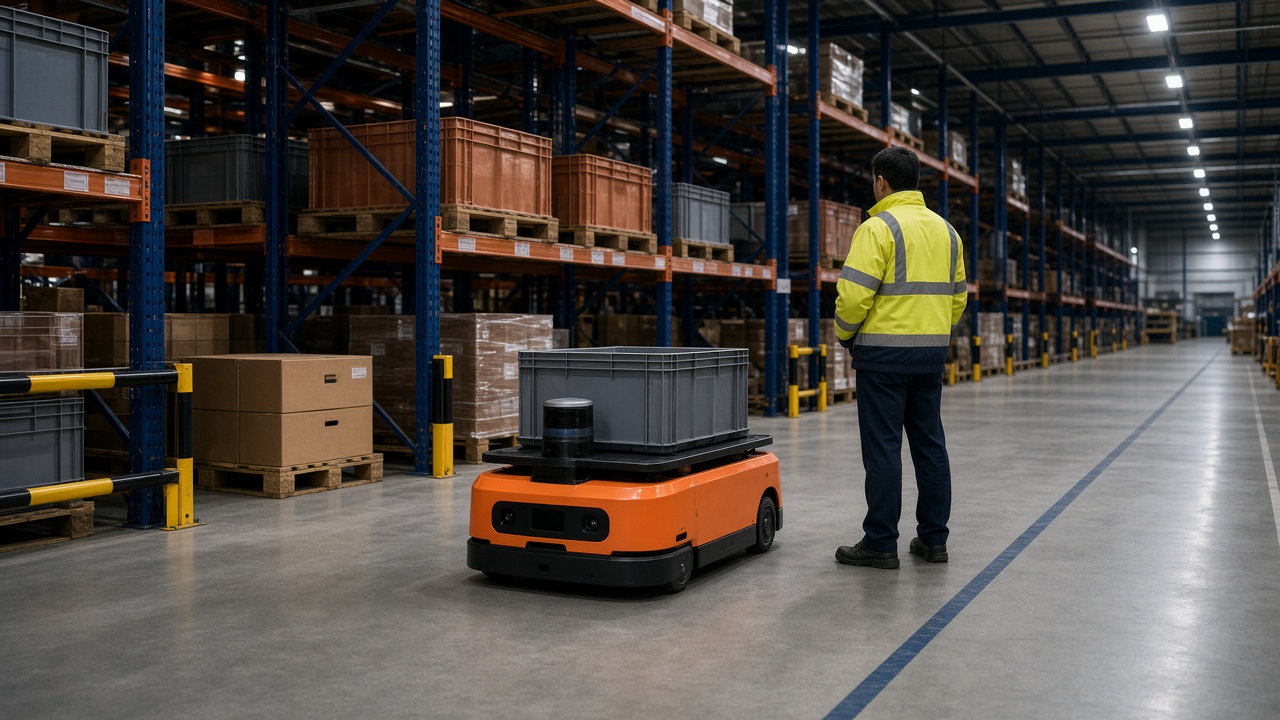 ISO 3691-4
AMRs — Autonomous Mobile Robots
Free-navigation mobile robots for factories, warehouses, hospitals & intralogistics fleets.
Explore this category →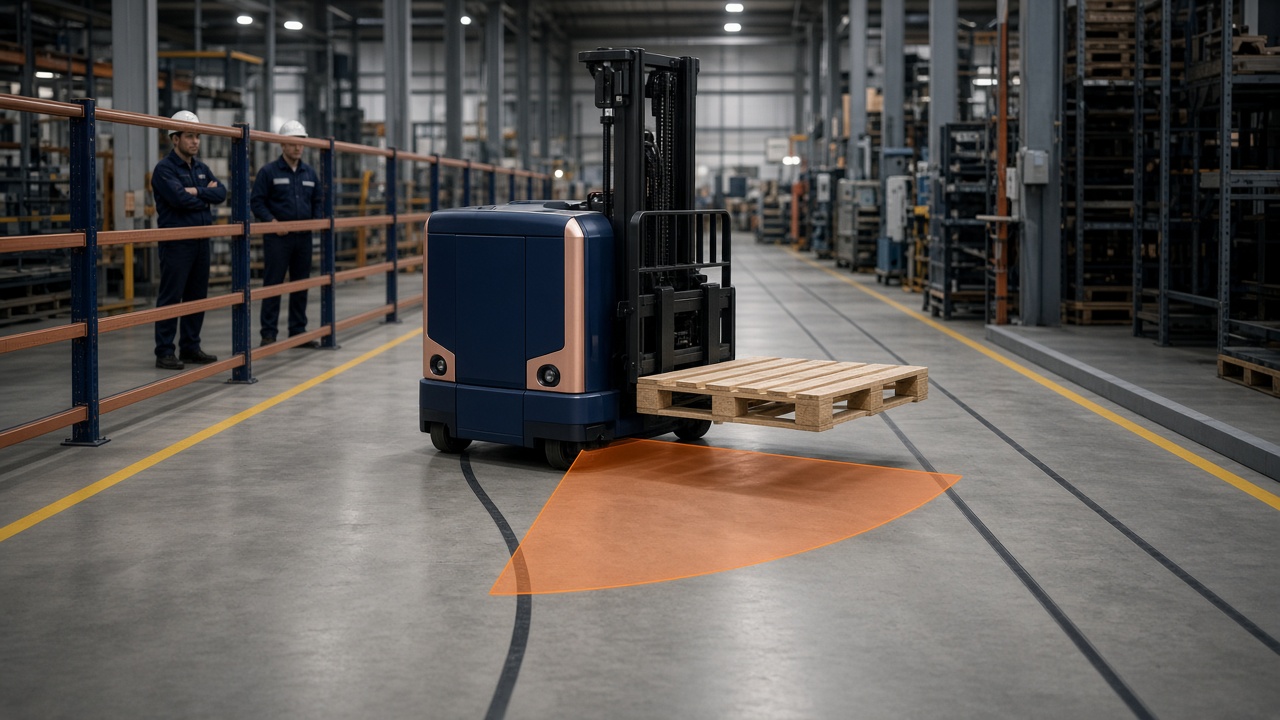 ISO 3691-4
AGVs — Automated Guided Vehicles
Guided vehicles, automated forklifts & tuggers on defined paths — guidance, load & plant interfaces.
Explore this category →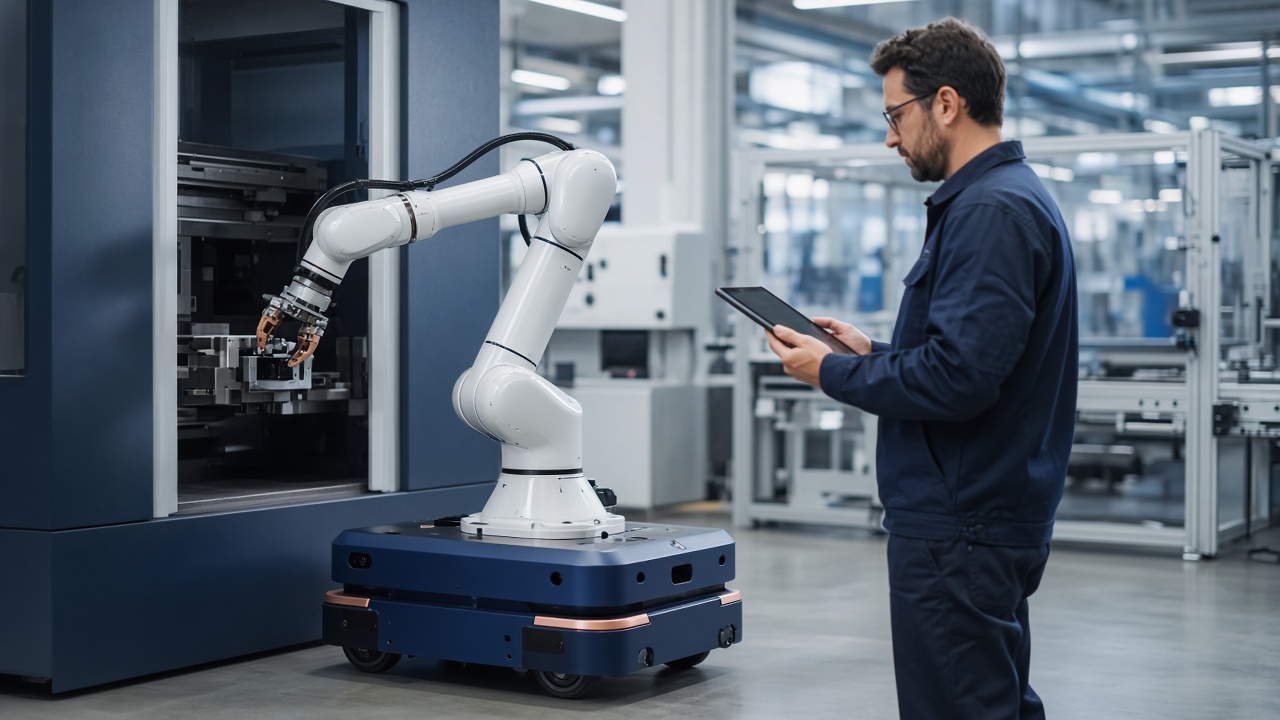 ISO 10218-2 + ISO 3691-4
Mobile Manipulators (MoMas)
A mobile base plus a robot arm — combined navigation, manipulation, and collaborative risks.
Explore this category →EN ISO 12100 + ISO 10218-2Warehouse & Logistics Robots
Goods-to-person, sortation, palletising, and AS/RS-adjacent robotic systems.
Explore this category →Collaborative & industrial robots
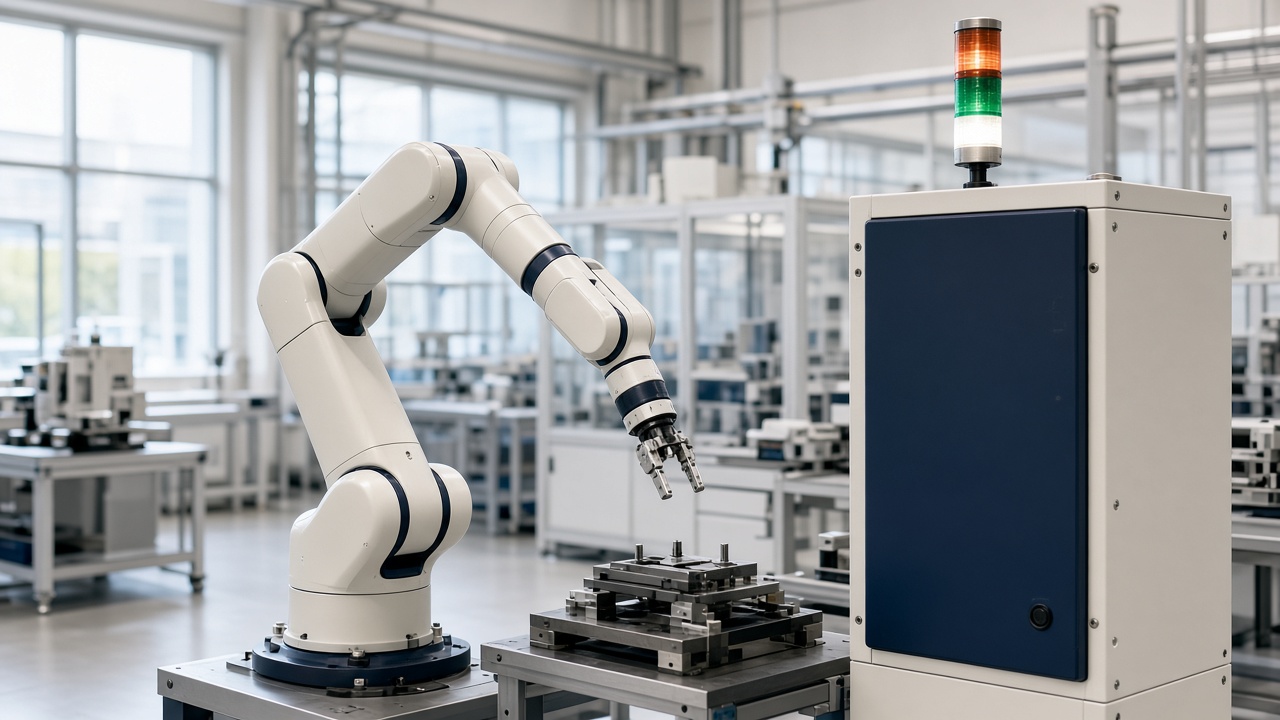 EN ISO 10218-1
Robot Arms
Articulated, SCARA, delta & Cartesian arms as products — ISO 10218-1 OEM evidence integrators can build on.
Explore this category → ISO/TS 15066 + ISO 10218-2
Cobots & Collaborative Applications
Collaborative robot applications — power & force limiting, hand-guiding, and speed/separation monitoring.
Explore this category →EN ISO 10218-2Industrial Robots & Robot Cells
Articulated, SCARA, delta, and Cartesian robots — fenced, interlocked, and integrated cells.
Explore this category →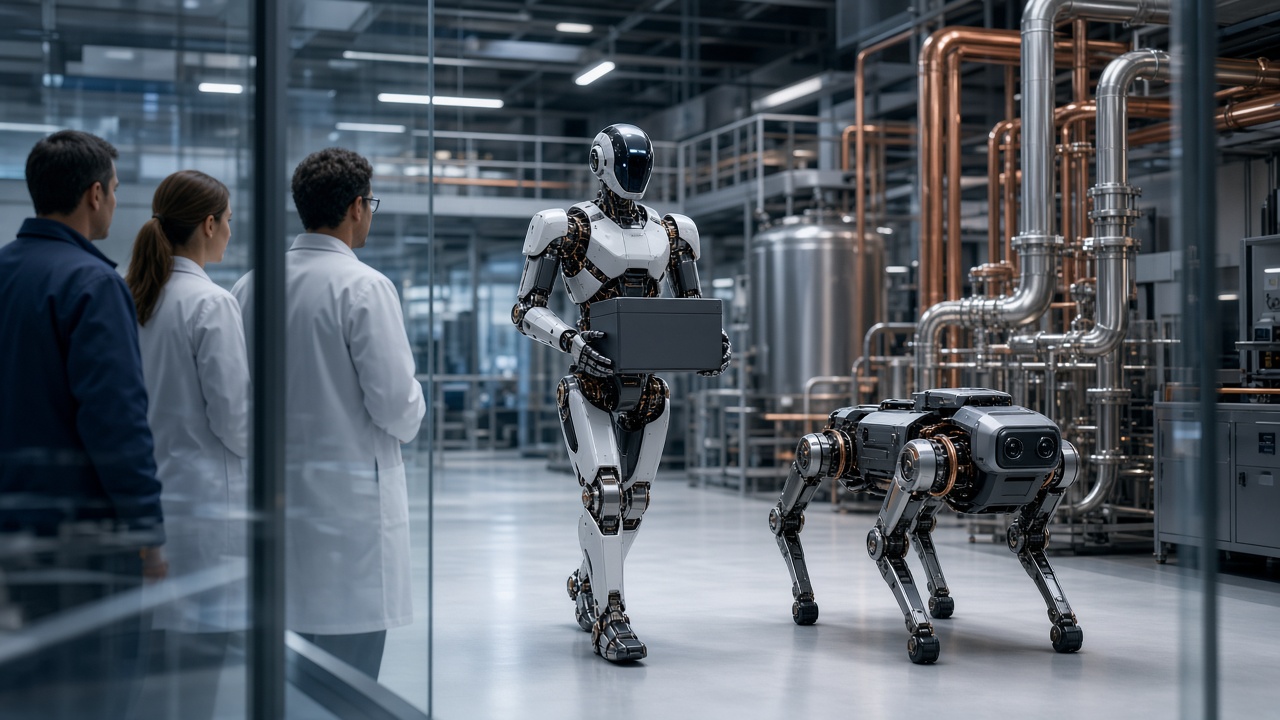 EN ISO 12100 (stack)
Humanoids & Legged Robots
Humanoid, quadruped, and bipedal platforms for industrial pilots and field deployment.
Explore this category →Heavy & field machinery
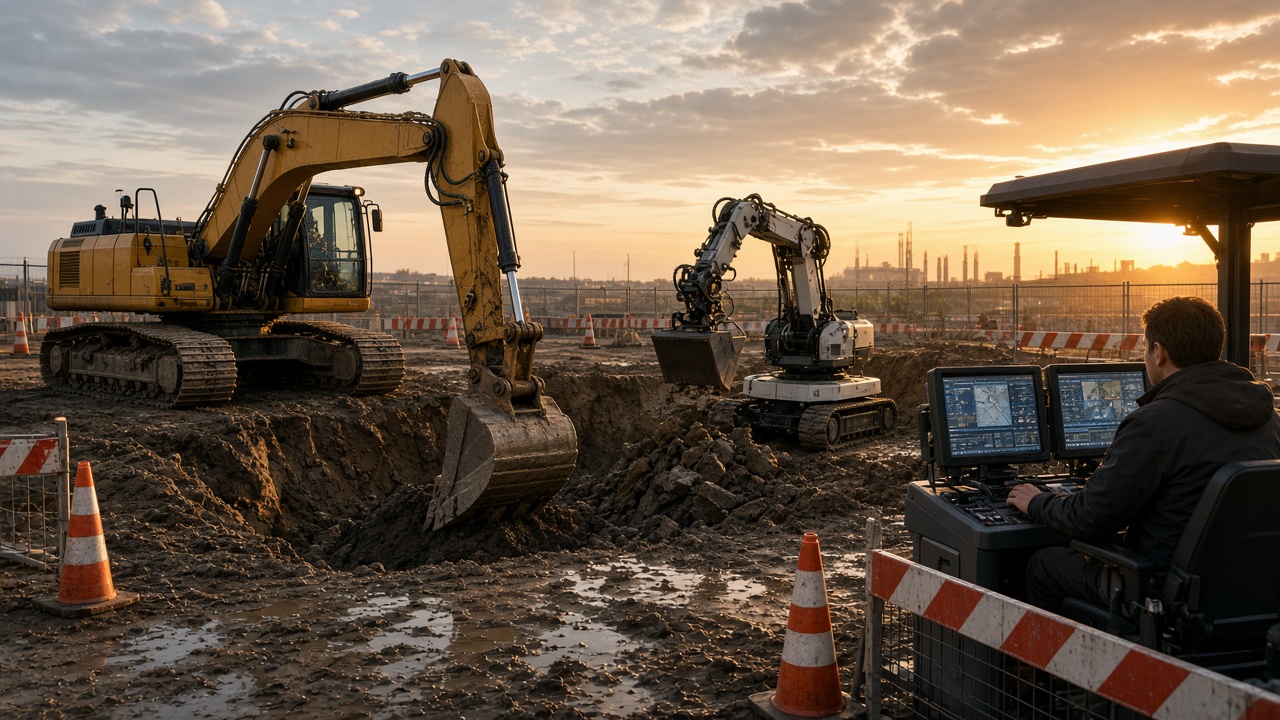 EN ISO 12100 + type-C neighbours
Construction Robots
Bricklaying, rebar, demolition, drilling, layout & surveying robots for live construction sites.
Explore this category →ISO 20474 seriesEarth-Moving & Construction Machinery
Excavators, loaders, dozers, telehandlers, and increasingly autonomous / remote-controlled site machinery.
Explore this category →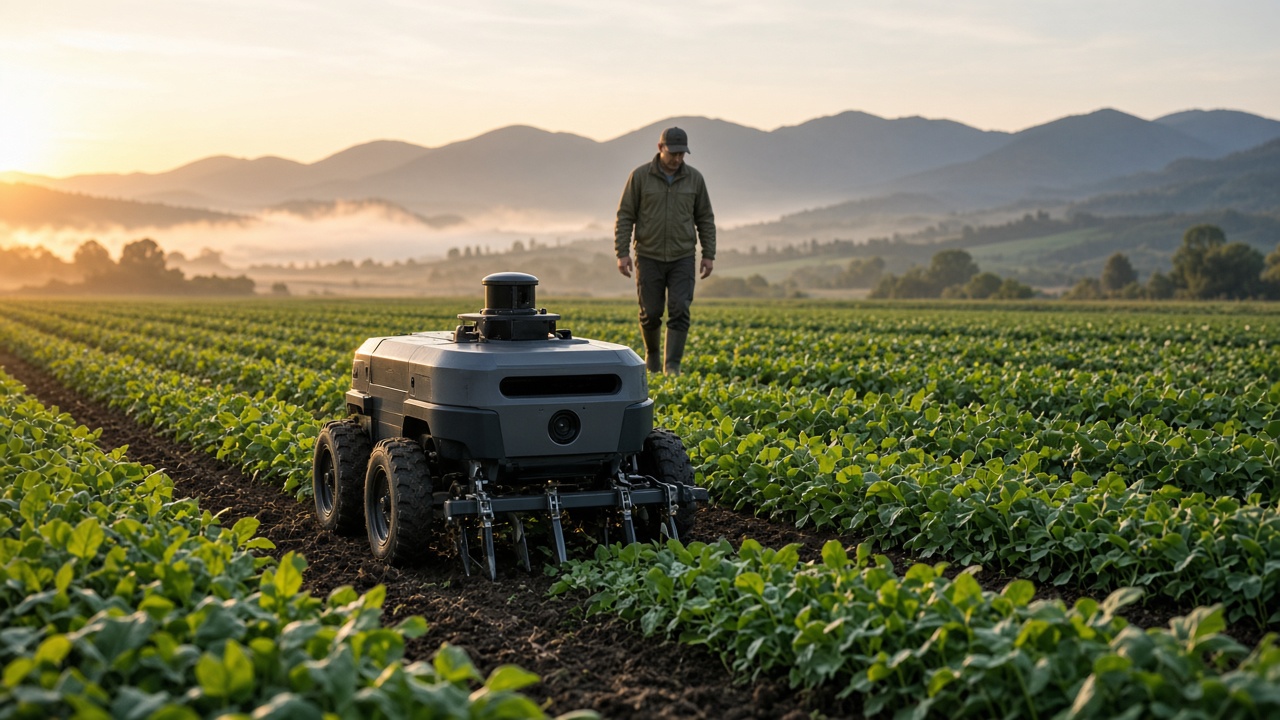 ISO 4254 + ISO 18497
Agricultural & Forestry Robots & Machinery
Tractors, implements, agricultural robots, harvesters, and forestry machinery — field, road, and bystander risks.
Explore this category →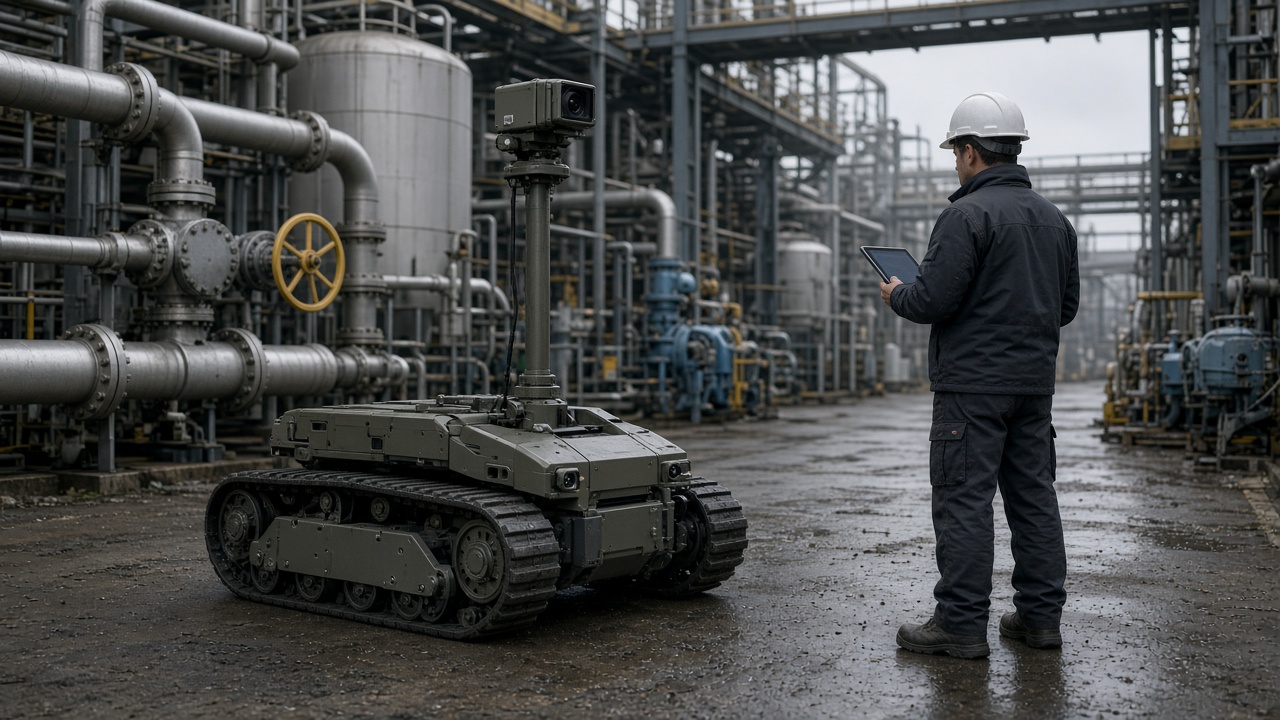 EN ISO 12100 (+ IEC 60079 if classified)
Mining, Outdoor & Field Robots
Inspection, delivery, cleaning, and service robots operating outdoors, underground, or in harsh / remote sites — including hazloc interfaces.
Explore this category →One thread on every program
- Classification: machinery vs partly completed, OEM vs integrator duties
- ISO 12100 risk assessment that drives design — not a form filled at the end
- Safety functions to ISO 13849-1 / IEC 62061 with validation evidence
- Electrical (EN IEC 60204-1), EMC, radio (RED/FCC), and battery woven in, not bolted on
- Technical file, DoC/DoI, marking, and residual-risk instructions buyers accept
Robot classification
A “cobot on wheels” is a mobile manipulator; an “autonomous forklift” is an AGV with load-handling claims. Classification determines the standards, the validation, and who signs. Classification is confirmed on the scoping call.
Frequently asked questions
Which standards apply to a humanoid or service robot?
There is no single humanoid standard yet. In the EU the Machinery Directive 2006/42/EC applies (the Machinery Regulation (EU) 2023/1230 from 20 January 2027), with ISO 12100 risk assessment and ISO 13849-1 or IEC 62061 for safety functions. ISO 13482 covers personal care robots, and UL 3300 covers service robots that operate around the public in North America. Electrical safety (IEC 60204-1 or IEC 62368-1), EMC, radio and battery standards apply on top.
Which standards apply to an industrial robot or cobot?
ISO 10218-1 covers the robot and ISO 10218-2 covers the robot system, cell and integration. Collaborative applications also need power-and-force-limiting evidence, set out in ISO/TS 15066. Safety functions are validated to ISO 13849-1 or IEC 62061, and the risk assessment follows ISO 12100.
Which standards apply to an AMR or AGV?
ISO 3691-4 covers driverless industrial trucks and their systems, including AMRs and AGVs. In North America, ANSI/A3 R15.08-1 and R15.08-2 cover industrial mobile robots. Person detection and other safety functions are validated to ISO 13849-1.
When does the EU Machinery Regulation apply?
Regulation (EU) 2023/1230 applies from 20 January 2027 and replaces the Machinery Directive 2006/42/EC. Machinery placed on the EU market from that date must meet the Regulation.
Robots and machinery for explosive atmospheres: Hazardous locations (ATEX, IECEx, UL 121201) →