
Heavy & field machinery · Primary: ISO 20474 series
Earth-moving & construction machinery compliance
ISO 20474 earth-moving safety, operator visibility, ROPS/FOPS, remote & autonomous operation, and EU Machinery / EMC / noise expectations for heavy site equipment.
Built for: Earth-moving OEMs — excavators, loaders, dozers, telehandlers — and autonomy retrofit teams
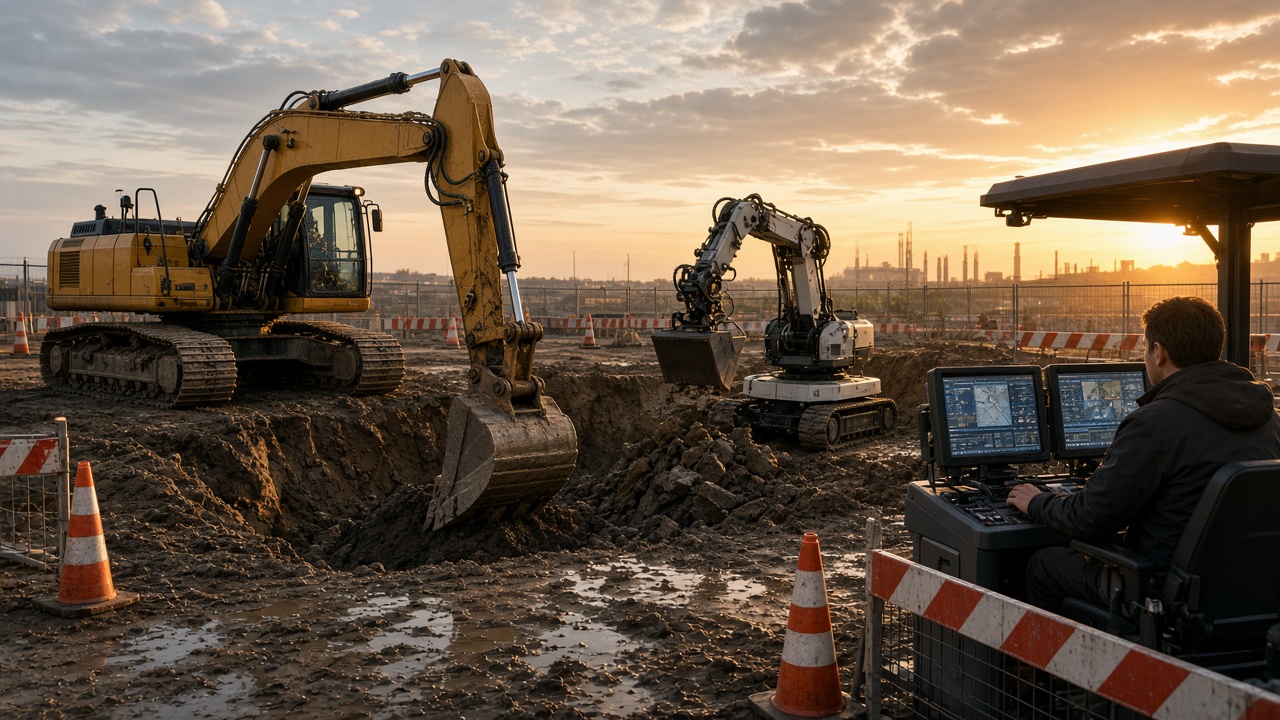 ISO 20474 series
What this category actually demands
Earth-moving machinery carries one of the most mature type-C frameworks in machinery: ISO 20474, operator visibility, access, ROPS/FOPS. Autonomy and remote control do not retire that framework — they add mode control, perception, and software change discipline on top of it.
Whether you build new machines or retrofit autonomy onto proven iron, we align the earth-moving evidence with the new safety functions so type approval, CE, and site acceptance pull in the same direction.
Reality check
Where Earth-Moving & Construction Machinery programs stall
Autonomy kit assessed as electronics only
A retrofit that can move a 20-tonne machine is a machinery change. The base machine file and the autonomy file must be reconciled.
Visibility solved by cameras, claimed by assertion
Camera-monitor systems replacing direct visibility need performance evidence against the visibility standards, not a screen on the dash.
Road travel discovered late
Public-highway travel can pull vehicle frameworks in beside machinery. Intended-use classification on day one avoids a second program.
Safety architecture — Earth-Moving & Construction Machinery
The safety architecture we build with you
Every function below ends as a claim in your file — with a target performance level, an implementation, and a validation method. If one of these is missing for your product, that is where we start.
Visibility & detection
Direct/camera visibility and person detection validated for the machine’s blind-spot geometry.
Stability & protective structures
ROPS/FOPS and stability evidence kept coherent through autonomy or cab changes.
Remote / autonomous modes
Mode authority, remote stop, and perception-failure behaviour as safety functions.
Hydraulic & maintenance energy
Stored-energy isolation and lockout designed for service, not just operation.
How we help — from first sketch to site acceptance
One path, four gates. You keep design authority; we own the compliance thread through labs, assessors, and customer EHS reviews.
Gate 1
Domain & classification
Where it operates, who is exposed, which laws and type-C standards actually apply — before any test is booked.
Gate 2
Risk & safety architecture
ISO 12100 assessment turned into safety functions with PL/SIL targets your controls team can implement.
Gate 3
Validation
Measurements and tests on the real configuration — payload, speed, workpiece, ground — that close each safety claim.
Gate 4
File & acceptance
Technical file, DoC/DoI, instructions, and the site/customer acceptance pack, with change control that keeps it valid.
What you receive
- Machinery vs vehicle / road-use classification
- Earth-moving type-C standards map
- Visibility, ROPS/FOPS & access evidence review
- Remote / autonomy safety-function plan
- Technical file, DoC, and site-handover inputs
Standards, in context
These are starting points, not a shopping list. The applicable editions and clauses follow from your classification and markets — EU Machinery Regulation (EU) 2023/1230, UK machinery rules, or North American OSHA/ANSI expectations, layered with EMC, electrical, radio, and battery law where your product triggers them.
Go deeper: Earth-moving & construction machinery compliance →
| ISO 20474 series | Earth-moving machinery — safety |
| EN ISO 12100 | Risk assessment |
| ISO 5006 / ISO 14401 (as applicable) | Operator visibility & related earth-moving topics |
| EN ISO 13849-1 | Safety-related control systems |
| Outdoor Noise Directive 2000/14/EC (where applicable) | Noise emission for outdoor equipment |
Questions we hear from Earth-Moving & Construction Machinery teams
Does adding autonomy change the file?+
Yes. Perception, remote stop, mode selection, and software change control become core safety evidence, not accessories.
Bring us your project — at any stage
Sketch, prototype, or a customer audit next month. A 30-minute scoping call maps your domain, standards, and evidence gaps.
Book Free CallKeep exploring Robotics
All Robotics →Heavy & field machinery
Construction Robots
Bricklaying, rebar, demolition, drilling, layout & surveying robots for live construction sites.
Heavy & field machinery
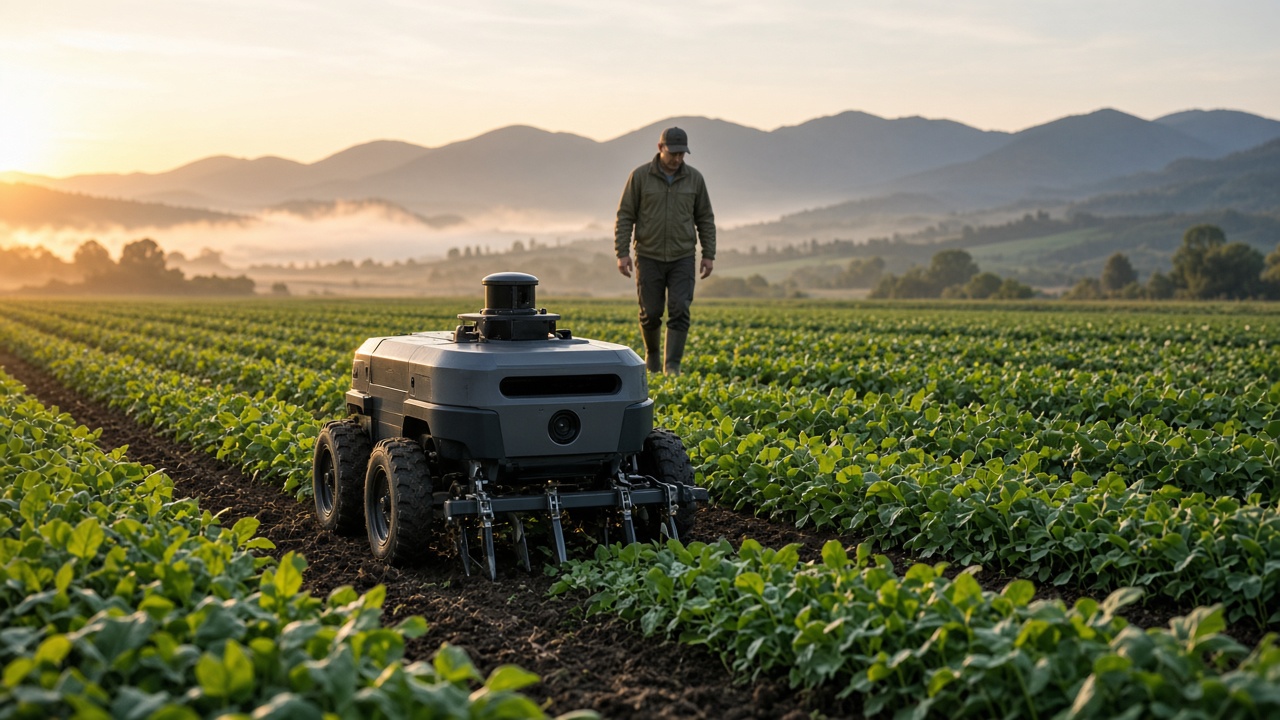
Agricultural & Forestry Robots & Machinery
Tractors, implements, agricultural robots, harvesters, and forestry machinery — field, road, and bystander risks.
Heavy & field machinery
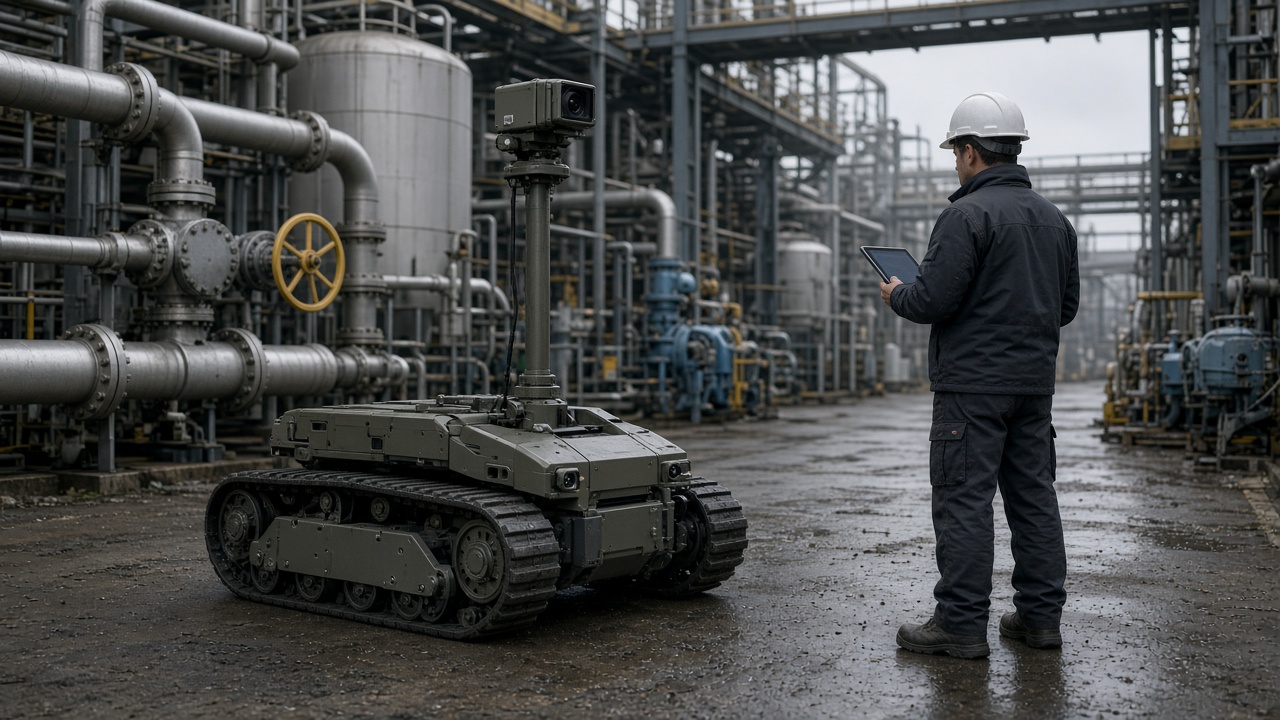
Mining, Outdoor & Field Robots
Inspection, delivery, cleaning, and service robots operating outdoors, underground, or in harsh / remote sites — including hazloc interfaces.