
No articles match that filter. Try another topic or clear the search.
7 Fast-Track Moves to Ship Certified Hardware in 2025
Hardware teams are under pressure to hit launch dates while clearing regulatory gates. The playbook we use to keep certification off the critical path.
Read More →Designing a Compliance Roadmap for Next-Gen Wearables
Consumer wearables now touch medical, privacy, and radio regimes at once. How leading teams layer requirements without paralyzing velocity.
Read More →Building a Global Compliance Stack Before Scale
Scale-up hardware companies outgrow spreadsheets fast. Tooling that keeps compliance traceable from prototype to high volume.
Read More →Industrial Automation: Building a Certification Lab Strategy
Automation OEMs need synchronized lab programs across EMC, functional safety, and cybersecurity.
Read More →Automotive Software Compliance Without Slowing OTA Releases
Align ISO 26262, UNECE R156, and cybersecurity requirements with agile release trains.
Read More →Mobile Manipulators (MoMas): Compliance for Base + Arm Systems
A cobot arm on an AMR is a new machine, not two certificates stapled together. Stability, combined stopping, and who signs the DoC.
Read More →Warehouse & Logistics Robots: System-Level Compliance
Warehouse robots fail compliance at interfaces — pick faces, conveyors, racking. System-level assessment for integrators.
Read More →Earth-Moving & Construction Machinery: Compliance Basics
Excavators, loaders, and autonomous site machines: ISO 20474, visibility, ROPS/FOPS, and what autonomy changes in the file.
Read More →Agricultural & Forestry Robots: Field Compliance Basics
Field robots meet bystanders, roads, PTOs, and chemicals. ISO 4254 / 18497 and the classification calls that drive compliance.
Read More →Service & Field Robots: Outdoor and Harsh-Site Compliance Basics
Robots that leave the factory floor: ruggedness, loss-of-link, site traffic, and when ATEX actually applies.
Read More →NRTL Listing vs CE Marking: Stop Treating Them as Interchangeable
NRTL marks and CE marks solve different legal problems. What evidence transfers, what does not, and how to plan dual-market launches.
Read More →Radio Equipment Directive (RED): A Practical Map for Connected Hardware
RED is more than antenna tests. Scope, essential requirements, modular hosts, and when a Notified Body enters the picture.
Read More →EU PPE Regulation 2016/425: Categories and Conformity Paths
PPE has its own CE world. Category I–III, when a Notified Body is mandatory, and documentation brands must keep.
Read More →PPWR Packaging Rules: What Hardware Shippers Should Track
Product CE files rarely own packaging compliance. PPWR and EPR duties that hardware brands need on the same launch checklist.
Read More →FCC Part 15 for Unintentional Radiators: What OEMs Still Miss
Most digital hardware is an unintentional radiator under Part 15. SDoC vs certification, Class A/B, and labeling traps.
Read More →CE Certificate of Conformity: What It Is — and What It Is Not
Voluntary CoCs are often confused with the mandatory Declaration of Conformity. What a CoC can prove, what it cannot, and how to spot worthless paperwork.
Read More →Self-Certification vs Notified Body: Which CE Path Does Your Product Need?
Most CE products do not need a Notified Body stamp. How to tell when self-declaration is lawful — and what “self-certify” still requires you to prove.
Read More →EU Declaration of Conformity: How to Write One That Survives Scrutiny
The DoC is the legal heart of CE marking. Structure, signatories, standards lists, and mistakes that make customs or inspectors reject your paperwork.
Read More →GPSR (EU) 2023/988: What Hardware Brands Need to Know
GPSR reshapes consumer product obligations in the EU. Traceability, responsible persons, and how it interacts with CE-marked hardware.
Read More →Low Voltage Directive (LVD): Electrical Safety Basics for CE Hardware
LVD is the electrical-safety pillar of many CE files. Scope, standards selection, and mistakes that fail evaluation before EMC is even booked.
Read More →EMC Directive Compliance: Building an Evidence Pack That Holds Up
Beyond chamber bookings: how EMC Directive obligations, standards, and DoC claims fit together for apparatus manufacturers.
Read More →UKCA vs CE Marking for Hardware: What Still Differs
CE and UKCA share DNA but are not identical paperwork. Marking, standards lists, and GB economic-operator rules to track for hardware SKUs.
Read More →California Proposition 65 for Hardware and Electronics Brands
Prop 65 is not RoHS. Warning decisions, supply-chain evidence, and how hardware brands reduce private-enforcement risk.
Read More →ISO 12100 Risk Assessment for Machinery CE Files
ISO 12100 is the backbone of many machinery technical files. Hazard ID, protective measures hierarchy, and residual-risk communication.
Read More →EU Cyber Resilience Act: Product Readiness for Hardware Teams
CRA adds security and vulnerability-handling duties to many connected products. How hardware teams should prepare without waiting for panic mode.
Read More →Humanoid Robots: Safety & Compliance Stack for Product Teams
Humanoids combine machinery safety, functional safety, batteries, RF, and increasingly cyber. A map of what to scope before pilot deployments.
Read More →Cobots & ISO/TS 15066: Collaborative Operation Without Wishful Thinking
Power-and-force limiting is not a marketing mode. How ISO 10218 + TS 15066 expectations translate into cell design, validation, and integrator paperwork.
Read More →AMRs & AGVs: Compliance Basics for Industrial Mobile Robots
Mobile robots add ISO 3691-4, fleet, batteries, and facility interfaces. What OEMs and site owners should align before go-live.
Read More →Lithium Battery Listings: UL 2054 vs UL 2580 (and When You Need Each)
Pack standards are not interchangeable. How UL 2054, UL 2580, and related IEC tests map to consumer, industrial, and EV-adjacent products.
Read More →UN 38.3 Battery Shipping for OEMs: What Logistics Will Ask For
Prototype air shipments stall without UN38.3 evidence. A concise pack of documents and design habits that keep freight moving.
Read More →BESS Safety Listing: What System Integrators Should Scope First
Battery energy storage is a system: packs, PCS, EMS, fire, and interconnection. How to sequence listings so field commissioning is not the first test lab.
Read More →EV Charger Compliance Basics: UL 2202, EMC, and Grid Interfaces
AC/DC chargers need product safety, EMC, cable/connector schemes, and sometimes utility rules. A scoping checklist for charger OEMs.
Read More →Hydrogen & Fuel Cell Products: Compliance Touchpoints Beyond “It’s Green”
Fuel cells and H2 hardware bring pressure equipment, electrical safety, EMC, and often Ex concepts. A first-pass map for product teams.
Read More →MIL-STD-810 Environmental Testing: Scoping Categories That Match the Mission
MIL-STD-810 is a toolkit, not a badge. How to select methods/tailoring so lab time matches the real operational environment.
Read More →MIL-STD-461 EMI: What Defense Electronics Teams Should Plan For
Defense EMI limits and setups differ from FCC Part 15. How to read applicability, CE/RE limits, and platform tailoring before the chamber week.
Read More →Defense & Dual-Use Electronics: Compliance Awareness for Product Teams
Beyond EMI labs: quality systems, configuration control, and export-awareness habits engineering leads should institutionalize (high-level).
Read More →Drones & UAVs: RF, Safety, and Market Access for Product Teams
UAV products combine radio approvals, product safety, batteries, and aviation rules. A manufacturer-focused map (not a pilot licensing guide).
Read More →Wearables Compliance Stack: Safety, RF Exposure, and Materials
Body-worn products amplify RF exposure, skin-contact materials, batteries, and sometimes medical claims. Scope the stack before tooling.
Read More →CE Marking Technical File: What Hardware Teams Must Assemble
A practical checklist for EU Declaration of Conformity evidence — directives, standards, test reports, and labeling — without drowning in acronyms.
Read More →EMC Class A vs Class B: Choosing Limits Before You Book the Chamber
Class A vs Class B is a business and labeling decision — not just a lab checkbox. How to pick limits, avoid retests, and keep marketing claims honest.
Read More →FCC Modular Approval: What Host Integrators Still Must Prove
A pre-certified Wi-Fi/BLE module is not automatic FCC clearance for your host. Antenna, co-location, and labeling rules that block launches.
Read More →IEC 62368-1 for Hardware Teams: Hazard-Based Safety Without the Fog
How IEC/UL 62368-1 thinks about energy sources, safeguards, and construction — and what to prepare before an NRTL sample review.
Read More →IEC 61508 / SIL Basics for Product and Controls Teams
What SIL actually means, what evidence looks like, and how to avoid buying “SIL-rated” parts without a system story.
Read More →EU Machinery Regulation: A Hardware Integrator’s Starting Map
How the EU Machinery Regulation changes the conversation for robots, cells, and partly completed machinery — and what evidence buyers will ask for.
Read More →RoHS & REACH for Hardware BOMs: Evidence That Survives Audits
How to collect substance evidence across a multi-tier BOM — full material declarations, exemptions, and what to do when a supplier goes silent.
Read More →EU Battery Regulation: What Device Makers Must Plan For
From removability and labeling to carbon footprint and due diligence — a device-maker map of the EU Battery Regulation without the hype.
Read More →IEC 60601-1-2 EMC for Medical Devices: Scoping Immunity Without Surprise Retests
Medical EMC is not commercial Class B with a new cover sheet. Environments, essences of performance, and how to write a test plan clinicians can live with.
Read More →IEC 60825 Laser Classification: What Product Teams Must Document
Laser class is not a sticker from the diode vendor. Measurement conditions, user access, and labeling that keep Class 1 claims honest.
Read More →RED Cybersecurity Essentials: What Wireless Product Teams Should Prepare
EU radio products increasingly need cyber and privacy-related essential requirements evidence — not only RF test reports. A practical prep list.
Read More →Automotive EMC (CISPR 25) for Aftermarket and Embedded Electronics
Vehicle EMC is harsher and more OEM-specific than FCC Part 15. How CISPR 25-style programs differ and what to ask before quoting a lab.
Read More →DO-160 Environmental Testing: A Practical Map for Avionics Hardware
DO-160 is a menu, not a single test. How to pick sections, categories, and evidence that match the aircraft installation.
Read More →Food Equipment Safety: NSF, UL, and Hygienic Design Expectations
Food equipment sits at the intersection of electrical product safety and hygienic design. What buyers and AHJs typically ask for.
Read More →The Product Environmental Compliance Stack: RoHS, Packaging, EPR, and Claims
How environmental obligations stack for hardware SKUs — substances, packaging, EPR registrations, and green claims that create legal risk.
Read More →Inverters & Grid Interconnect: Compliance Basics for Energy Hardware
Grid codes, anti-islanding, and product safety listings — what inverter and BESS teams should sequence before utility interconnection paperwork.
Read More →Area Classification vs DHA: How the Two Studies Connect
DHA and hazardous area classification are not duplicates. How combustible dust studies feed Zone/Division drawings — and what electrical teams need from each.
Read More →
Area Classification for Storage & Warehouses (Combustible Dust)
Deep dive: silos, sealed vs bulk handling, Zone 20/21/22 thinking, layers vs clouds, DHA links, and audit-ready documentation.
Read More →Dust Explosion Data: MEC, MIE, Kst, Pmax, LOC & More
What the lab numbers mean, ASTM methods, St class, avoiding misuse, and connecting results to equipment temperature codes.
Read More →DHA for Storage, Logistics & Bulk Solids
Scoping multi-SKU sites, credible scenarios, team roles, revalidation triggers, and alignment with electrical classification.
Read More →
Hazardous Location Certification Systems: A Complete Guide
Understanding the key differences between North American NEC/CEC, European IECEx, and ATEX certification systems for hazardous locations...
Read More →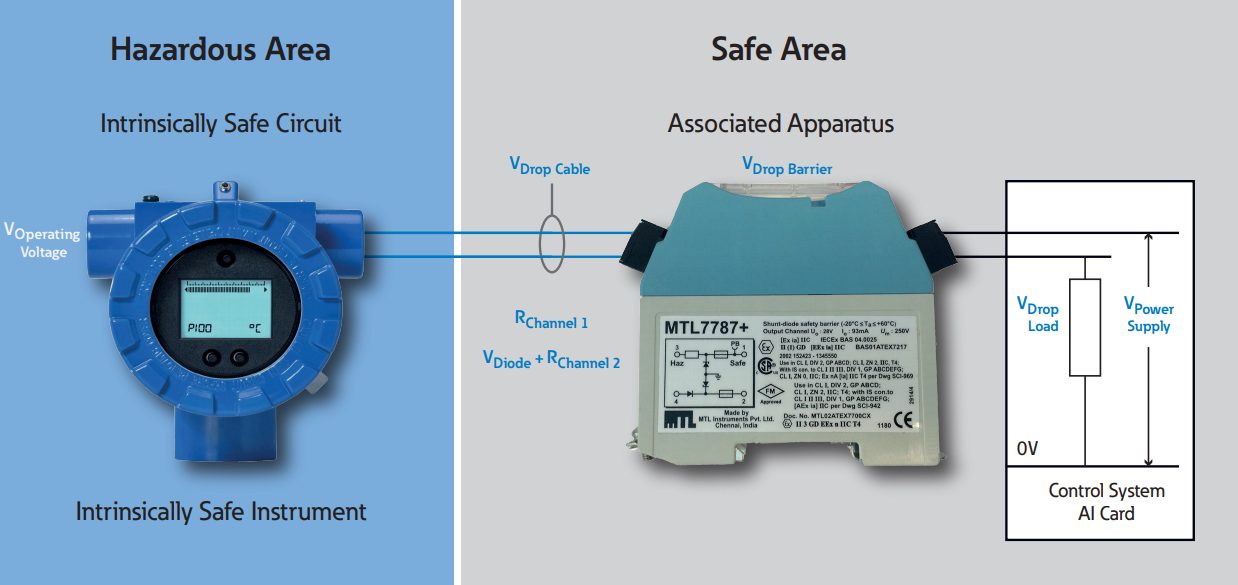
Intrinsic Safety Design Guide: Ex ia vs Ex ib Protection
Comprehensive comparison of North American, IECEx, and ATEX certification processes and requirements...
Read More →
UL 121201 Standard Guide: North American Hazardous Location Compliance
Complete guide to understanding equipment markings across different hazardous location certification schemes...
Read More →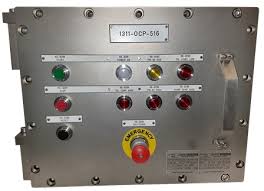
Flameproof Enclosure Design: Ex d Protection for Explosive Atmospheres
Understanding the differences between Type Ratings and IP Ratings for equipment protection in hazardous environments...
Read More →
Dust Hazard Analysis & Area Classification: A Beginner's Guide
A comprehensive guide for new users on dust hazard analysis (DHA) and area classification. Learn what a DHA is, why it's required, how to conduct one, and pitfalls to avoid.
Read More →
Control Panel Certification: UL 508A vs UL 121201 for Hazardous Locations
Complete guide to control panel certification for hazardous locations. Compare UL 508A vs UL 121201 standards, understand requirements, and ensure compliance for explosive atmospheres.
Read More →
Zone Classification Systems: Understanding Class/Division vs Zone Methods
Complete guide to hazardous area classification systems. Learn the differences between North American Class/Division and International Zone classification methods for safe equipment selection.
Read More →
Ex Equipment Markings Decoded: Understanding Certification Labels
Master the art of reading hazardous location equipment markings. Complete guide to ATEX, IECEx, and North American certification labels for safe equipment selection.
Read More →Temperature Ratings in Hazardous Locations: T-Codes and Auto-Ignition
Understand temperature classification systems and surface temperature calculations. Complete guide to T-codes, auto-ignition temperatures, and safe equipment operation.
Read More →Gas Group Classifications: Understanding IIA, IIB, IIC Categories
Master gas group classifications and their impact on equipment selection. Learn about MESG values, ignition energy requirements, and compatibility rules for safe installations.
Read More →Protection Methods in Hazardous Locations: Ex d, Ex e, Ex i, Ex n Explained
Complete guide to explosion protection methods. Learn about flameproof, intrinsic safety, increased safety, and other protection techniques for safe equipment operation.
Read More →Pressurization and Purging (Ex p) Explained
Understand how pressurized and purged enclosure systems work, what hardware is mandatory, and the checks you need before energizing equipment in hazardous areas.
Read More →Hazardous Location Maintenance Checklist
Field-ready inspection checklist covering Ex d, Ex e, Ex i, and Ex p equipment. Keep documentation tight and satisfy IEC 60079-17 and NFPA 70 audit expectations.
Read More →Choosing Cable Glands for Hazardous Areas
Follow a clear workflow for selecting ATEX and IECEx cable glands, understanding sealing options, and documenting torque so enclosure certifications stay intact.
Read More →Documentation and Record-Keeping for Hazardous Location Compliance
What to document and retain for ATEX, IECEx, and North American compliance. Equipment registers, certificates, and audit-ready record-keeping.
Read More →Grounding and Bonding in Hazardous Locations
Why grounding and bonding matter in Ex areas. Equipment grounding, equipotential bonding, static control, and what IEC 60079-14 and NFPA 70 require.
Read More →Ex Equipment Repair and Modification: What Keeps Certification Valid
When field work is acceptable, when a certified repair facility is required, and how to document repairs for ATEX, IECEx, and North American listings.
Read More →Conduit Sealing in Hazardous Locations
Where sealing fittings apply, how they protect conduit runs, and what to verify during installation and inspection.
Read More →Portable Equipment in Hazardous Areas
Portable tools, temporary power, and mobile equipment: matching the zone, cords, supervision, and documentation.
Read More →Explosion-Protected Lighting (Ex Luminaires)
Choosing Ex-certified luminaires: area classification, protection concepts, mounting, and lamp changes.
Read More →Intrinsic Safety Barriers and Loop Design Basics
Zener barriers vs galvanic isolators, entity parameters, and keeping Ex i loops within certified limits.
Read More →Surge Protection in Hazardous Locations
Certified SPDs in Ex areas, coordination with intrinsic safety, and installation notes.
Read More →ATEX 2014/34/EU: Essential Requirements at a Glance
Practical notes on atex 2014/34/eu for hazardous locations, ATEX, IECEx, and related installation context (Certification Standards).
Read More →IECEx Scheme: Certificates of Conformity and OD Basics
Practical notes on iecex scheme for hazardous locations, ATEX, IECEx, and related installation context (Certification Standards).
Read More →UKCA for Explosive Atmospheres Equipment in Great Britain
Practical notes on ukca for explosive atmospheres equipment in great britain for hazardous locations, ATEX, IECEx, and related installation context (Certification Standards).
Read More →CE Marking, ATEX, and the EU Declaration of Conformity
Practical notes on ce marking, atex, and the eu declaration of conformity for hazardous locations, ATEX, IECEx, and related installation context (Certification Standards).
Read More →Notified Bodies and ATEX Conformity Assessment Modules
Practical notes on notified bodies and atex conformity assessment modules for hazardous locations, ATEX, IECEx, and related installation context (Certification Standards).
Read More →QAN and QAR: Production Quality for ATEX Equipment
Practical notes on qan and qar for hazardous locations, ATEX, IECEx, and related installation context (Certification Standards).
Read More →CB Scheme Path for Hazardous Location Components
Practical notes on cb scheme path for hazardous location components for hazardous locations, ATEX, IECEx, and related installation context (Certification Standards).
Read More →Harmonized EN IEC 60079 Standards in the European Union
Practical notes on harmonized en iec 60079 standards in the european union for hazardous locations, ATEX, IECEx, and related installation context (Certification Standards).
Read More →IECEx Acceptance vs National Certification: Planning Global Launches
Practical notes on iecex acceptance vs national certification for hazardous locations, ATEX, IECEx, and related installation context (Certification Standards).
Read More →ATEX Equipment Categories 1G, 2G, and 3G Explained
Practical notes on atex equipment categories 1g, 2g, and 3g explained for hazardous locations, ATEX, IECEx, and related installation context (Certification Standards).
Read More →ATEX Equipment Categories 1D, 2D, and 3D for Dust
Practical notes on atex equipment categories 1d, 2d, and 3d for dust for hazardous locations, ATEX, IECEx, and related installation context (Certification Standards).
Read More →EPL Ga, Gb, and Gc: Matching Gas Area Risk
Practical notes on epl ga, gb, and gc for hazardous locations, ATEX, IECEx, and related installation context (Area Classification).
Read More →EPL Da, Db, and Dc for Dust Hazardous Areas
Practical notes on epl da, db, and dc for dust hazardous areas for hazardous locations, ATEX, IECEx, and related installation context (Area Classification).
Read More →Zone 0 Equipment: Constraints and Certification Reality
Practical notes on zone 0 equipment for hazardous locations, ATEX, IECEx, and related installation context (Area Classification).
Read More →Zone 1 vs Zone 2: Engineering and Cost Drivers
Practical notes on zone 1 vs zone 2 for hazardous locations, ATEX, IECEx, and related installation context (Area Classification).
Read More →Class I Division 1 vs Division 2: Practical Differences
Practical notes on class i division 1 vs division 2 for hazardous locations, ATEX, IECEx, and related installation context (Area Classification).
Read More →Class II Locations: Combustible Dust in the NEC Context
Practical notes on class ii locations for hazardous locations, ATEX, IECEx, and related installation context (Area Classification).
Read More →Class III: Fibers and Flyings in Hazardous Location Rules
Practical notes on class iii for hazardous locations, ATEX, IECEx, and related installation context (Area Classification).
Read More →NFPA 70 Article 500: Hazardous Locations Foundations
Practical notes on nfpa 70 article 500 for hazardous locations, ATEX, IECEx, and related installation context (Certification Standards).
Read More →NFPA 70 Article 501: Class I Locations Overview
Practical notes on nfpa 70 article 501 for hazardous locations, ATEX, IECEx, and related installation context (Installation Practices).
Read More →NFPA 70 Article 502: Class II Locations Overview
Practical notes on nfpa 70 article 502 for hazardous locations, ATEX, IECEx, and related installation context (Installation Practices).
Read More →NFPA 70 Article 503: Class III Locations Overview
Practical notes on nfpa 70 article 503 for hazardous locations, ATEX, IECEx, and related installation context (Installation Practices).
Read More →NFPA 70 Article 505: Zone Wiring Methods
Practical notes on nfpa 70 article 505 for hazardous locations, ATEX, IECEx, and related installation context (Installation Practices).
Read More →Canadian Electrical Code: Hazardous Locations Highlights
Practical notes on canadian electrical code for hazardous locations, ATEX, IECEx, and related installation context (Installation Practices).
Read More →Hybrid Areas: Gas and Dust Hazards Together
Practical notes on hybrid areas for hazardous locations, ATEX, IECEx, and related installation context (Safety Analysis).
Read More →Dust Layers and Ignition Risk in Area Classification
Practical notes on dust layers and ignition risk in area classification for hazardous locations, ATEX, IECEx, and related installation context (Safety Analysis).
Read More →Combustible Dust Housekeeping and Electrical Ignition Control
Practical notes on combustible dust housekeeping and electrical ignition control for hazardous locations, ATEX, IECEx, and related installation context (Safety Analysis).
Read More →Upstream Oil and Gas: Hazardous Location Focus Areas
Practical notes on upstream oil and gas for hazardous locations, ATEX, IECEx, and related installation context (Installation Practices).
Read More →Chemical Plants: Corrosive Atmospheres and Ex Equipment
Practical notes on chemical plants for hazardous locations, ATEX, IECEx, and related installation context (Equipment Certification).
Read More →Pharmaceutical Facilities: Ex Interfaces and Cleanroom Crossovers
Practical notes on pharmaceutical facilities for hazardous locations, ATEX, IECEx, and related installation context (Installation Practices).
Read More →Food and Beverage: Milling, Dust, and Electrical Protection
Practical notes on food and beverage for hazardous locations, ATEX, IECEx, and related installation context (Safety Analysis).
Read More →Hydrogen Atmospheres: Equipment Selection Notes
Practical notes on hydrogen atmospheres for hazardous locations, ATEX, IECEx, and related installation context (Gas Classification).
Read More →Acetylene: Gas Group and Equipment Compatibility
Practical notes on acetylene for hazardous locations, ATEX, IECEx, and related installation context (Gas Classification).
Read More →Oxygen-Enriched Environments and Ignition Risk
Practical notes on oxygen-enriched environments and ignition risk for hazardous locations, ATEX, IECEx, and related installation context (Safety Analysis).
Read More →Ex d Flamepaths: Visual Inspection Basics
Practical notes on ex d flamepaths for hazardous locations, ATEX, IECEx, and related installation context (Maintenance Programs).
Read More →Ex e Terminals: Torque, Creepage, and Clearance
Practical notes on ex e terminals for hazardous locations, ATEX, IECEx, and related installation context (Installation Practices).
Read More →Intrinsic Safety: Simple Apparatus and Entity Rules
Practical notes on intrinsic safety for hazardous locations, ATEX, IECEx, and related installation context (Certification Standards).
Read More →Ex m Encapsulation: When It Applies
Practical notes on ex m encapsulation for hazardous locations, ATEX, IECEx, and related installation context (Protection Methods).
Read More →Ex o Oil Immersion: Overview for Designers
Practical notes on ex o oil immersion for hazardous locations, ATEX, IECEx, and related installation context (Protection Methods).
Read More →Ex q Powder Filling: Overview for Designers
Practical notes on ex q powder filling for hazardous locations, ATEX, IECEx, and related installation context (Protection Methods).
Read More →Ex t Dust: Enclosure Protection Basics
Practical notes on ex t dust for hazardous locations, ATEX, IECEx, and related installation context (Protection Methods).
Read More →Ex n: Non-Sparking and Restricted Breathing Concepts
Practical notes on ex n for hazardous locations, ATEX, IECEx, and related installation context (Protection Methods).
Read More →Combining Types of Protection in One Assembly
Practical notes on combining types of protection in one assembly for hazardous locations, ATEX, IECEx, and related installation context (Equipment Certification).
Read More →Ex d Motors: Selection Basics for Projects
Practical notes on ex d motors for hazardous locations, ATEX, IECEx, and related installation context (Equipment Certification).
Read More →Ex e Motors: Increased Safety Considerations
Practical notes on ex e motors for hazardous locations, ATEX, IECEx, and related installation context (Equipment Certification).
Read More →VFDs in Hazardous Areas: Cables, Earthing, and Filters
Practical notes on vfds in hazardous areas for hazardous locations, ATEX, IECEx, and related installation context (Installation Practices).
Read More →Junction Boxes: IP Rating vs Ex Protection
Practical notes on junction boxes for hazardous locations, ATEX, IECEx, and related installation context (Equipment Certification).
Read More →DIN Rail Terminals in Ex e Circuits
Practical notes on din rail terminals in ex e circuits for hazardous locations, ATEX, IECEx, and related installation context (Installation Practices).
Read More →Busbar Systems Near Classified Areas
Practical notes on busbar systems near classified areas for hazardous locations, ATEX, IECEx, and related installation context (Installation Practices).
Read More →Transformers Supplying Hazardous Location Loads
Practical notes on transformers supplying hazardous location loads for hazardous locations, ATEX, IECEx, and related installation context (Installation Practices).
Read More →UPS and Batteries in or Near Classified Areas
Practical notes on ups and batteries in or near classified areas for hazardous locations, ATEX, IECEx, and related installation context (Installation Practices).
Read More →Solar and BESS Boundaries Adjacent to Classified Areas
Practical notes on solar and bess boundaries adjacent to classified areas for hazardous locations, ATEX, IECEx, and related installation context (Installation Practices).
Read More →Electrical Heat Tracing with Ex Certification
Practical notes on electrical heat tracing with ex certification for hazardous locations, ATEX, IECEx, and related installation context (Installation Practices).
Read More →Industrial Ethernet and APL in Hazardous Locations
Practical notes on industrial ethernet and apl in hazardous locations for hazardous locations, ATEX, IECEx, and related installation context (Installation Practices).
Read More →Wireless Instruments: Ex Approval and Antenna Practice
Practical notes on wireless instruments for hazardous locations, ATEX, IECEx, and related installation context (Equipment Certification).
Read More →CCTV and Access Control in Ex Areas
Practical notes on cctv and access control in ex areas for hazardous locations, ATEX, IECEx, and related installation context (Equipment Certification).
Read More →Gas Detectors: Technologies and Electrical Protection
Practical notes on gas detectors for hazardous locations, ATEX, IECEx, and related installation context (Equipment Certification).
Read More →Emergency Lighting: Ex Luminaire Requirements
Practical notes on emergency lighting for hazardous locations, ATEX, IECEx, and related installation context (Equipment Certification).
Read More →HVAC Fans and Motors in Explosive Atmospheres
Practical notes on hvac fans and motors in explosive atmospheres for hazardous locations, ATEX, IECEx, and related installation context (Equipment Certification).
Read More →Pumps: Mechanical Seals and Electrical Adjacency
Practical notes on pumps for hazardous locations, ATEX, IECEx, and related installation context (Installation Practices).
Read More →Conveyors: Static, Dust Layers, and Electrical Equipment
Practical notes on conveyors for hazardous locations, ATEX, IECEx, and related installation context (Safety Analysis).
Read More →Silos and Loading: Dust Clouds and Electrical Ignition
Practical notes on silos and loading for hazardous locations, ATEX, IECEx, and related installation context (Safety Analysis).
Read More →Portable Analyzers and Sampling Probes in Ex Zones
Practical notes on portable analyzers and sampling probes in ex zones for hazardous locations, ATEX, IECEx, and related installation context (Installation Practices).
Read More →Coastal Corrosion and Ex Equipment Life
Practical notes on coastal corrosion and ex equipment life for hazardous locations, ATEX, IECEx, and related installation context (Maintenance Programs).
Read More →Galvanic Compatibility: Glands, Enclosures, and Bolts
Practical notes on galvanic compatibility for hazardous locations, ATEX, IECEx, and related installation context (Installation Practices).
Read More →Stainless vs Aluminum Ex Enclosures: Trade-offs
Practical notes on stainless vs aluminum ex enclosures for hazardous locations, ATEX, IECEx, and related installation context (Equipment Certification).
Read More →GRP Enclosures: UV, Impact, and Ex Marking
Practical notes on grp enclosures for hazardous locations, ATEX, IECEx, and related installation context (Equipment Certification).
Read More →Metric vs NPT Entries: Global Projects
Practical notes on metric vs npt entries for hazardous locations, ATEX, IECEx, and related installation context (Installation Practices).
Read More →Thread Engagement on Flameproof Entries
Practical notes on thread engagement on flameproof entries for hazardous locations, ATEX, IECEx, and related installation context (Installation Practices).
Read More →Double Seal and Barrier Concepts for Cable Entry
Practical notes on double seal and barrier concepts for cable entry for hazardous locations, ATEX, IECEx, and related installation context (Installation Practices).
Read More →Shield Termination in Ex i Circuits
Practical notes on shield termination in ex i circuits for hazardous locations, ATEX, IECEx, and related installation context (Installation Practices).
Read More →EMC Shielding Changes vs Ex Enclosure Integrity
Practical notes on emc shielding changes vs ex enclosure integrity for hazardous locations, ATEX, IECEx, and related installation context (Compliance & Audits).
Read More →EMC Qualification and Hazardous Location Product Release
Practical notes on emc qualification and hazardous location product release for hazardous locations, ATEX, IECEx, and related installation context (Compliance & Audits).
Read More →SIL Layers Alongside Ex Equipment
Practical notes on sil layers alongside ex equipment for hazardous locations, ATEX, IECEx, and related installation context (Compliance & Audits).
Read More →Cybersecurity for OT Devices in Classified Areas
Practical notes on cybersecurity for ot devices in classified areas for hazardous locations, ATEX, IECEx, and related installation context (Compliance & Audits).
Read More →Serial Numbers, Certificates, and Traceability
Practical notes on serial numbers, certificates, and traceability for hazardous locations, ATEX, IECEx, and related installation context (Compliance & Audits).
Read More →Certificate Expiry and Standard Revision Management
Practical notes on certificate expiry and standard revision management for hazardous locations, ATEX, IECEx, and related installation context (Compliance & Audits).
Read More →Ignition Hazard Assessment Beyond Equipment Marking
Practical notes on ignition hazard assessment beyond equipment marking for hazardous locations, ATEX, IECEx, and related installation context (Safety Analysis).
Read More →LOPA and Electrical Ignition in Hazard Studies
Practical notes on lopa and electrical ignition in hazard studies for hazardous locations, ATEX, IECEx, and related installation context (Safety Analysis).
Read More →Hot Work Permits and Electrical Equipment Nearby
Practical notes on hot work permits and electrical equipment nearby for hazardous locations, ATEX, IECEx, and related installation context (Installation Practices).
Read More →Confined Space Work with Electrical Equipment
Practical notes on confined space work with electrical equipment for hazardous locations, ATEX, IECEx, and related installation context (Installation Practices).
Read More →LOTO Procedures for Ex Equipment Maintenance
Practical notes on loto procedures for ex equipment maintenance for hazardous locations, ATEX, IECEx, and related installation context (Maintenance Programs).
Read More →Spare Parts Strategy for Long-Life Ex Assets
Practical notes on spare parts strategy for long-life ex assets for hazardous locations, ATEX, IECEx, and related installation context (Maintenance Programs).
Read More →Decommissioning and Removing Ex Equipment Safely
Practical notes on decommissioning and removing ex equipment safely for hazardous locations, ATEX, IECEx, and related installation context (Maintenance Programs).
Read More →Competency for Inspection per IEC 60079-17
Practical notes on competency for inspection per iec 60079-17 for hazardous locations, ATEX, IECEx, and related installation context (Maintenance Programs).
Read More →Electrical Audit Readiness for Hazardous Locations
Practical notes on electrical audit readiness for hazardous locations for hazardous locations, ATEX, IECEx, and related installation context (Compliance & Audits).
Read More →Cross-Border Shipments and IECEx Documentation
Practical notes on cross-border shipments and iecex documentation for hazardous locations, ATEX, IECEx, and related installation context (Certification Standards).
Read More →Hazardous Location Project Handover Documentation
Practical notes on hazardous location project handover documentation for hazardous locations, ATEX, IECEx, and related installation context (Compliance & Audits).
Read More →Engineering Changes and Ex Certificate Impact
Practical notes on engineering changes and ex certificate impact for hazardous locations, ATEX, IECEx, and related installation context (Equipment Certification).
Read More →Custom Enclosures: Prototype Testing Strategy
Practical notes on custom enclosures for hazardous locations, ATEX, IECEx, and related installation context (Equipment Certification).
Read More →Field Evaluations and Special NRTL Scenarios
Practical notes on field evaluations and special nrtl scenarios for hazardous locations, ATEX, IECEx, and related installation context (Certification Standards).
Read More →Sample Preparation for Ex Type Testing
Practical notes on sample preparation for ex type testing for hazardous locations, ATEX, IECEx, and related installation context (Certification Standards).
Read More →Failure Modes: Flameproof Joints and Maintenance
Practical notes on failure modes for hazardous locations, ATEX, IECEx, and related installation context (Maintenance Programs).
Read More →Failure Modes: Increased Safety Connections
Practical notes on failure modes for hazardous locations, ATEX, IECEx, and related installation context (Maintenance Programs).
Read More →Dust Ignition Temperature vs Equipment Surface Temperature
Practical notes on dust ignition temperature vs equipment surface temperature for hazardous locations, ATEX, IECEx, and related installation context (Temperature Classification).
Read More →Minimum Ignition Energy and Apparatus Selection
Practical notes on minimum ignition energy and apparatus selection for hazardous locations, ATEX, IECEx, and related installation context (Gas Classification).
Read More →Nameplate Durability in Harsh Field Conditions
Practical notes on nameplate durability in harsh field conditions for hazardous locations, ATEX, IECEx, and related installation context (Equipment Markings).
Read More →Auxiliary Devices on UL 508A Panels Near Hazloc
Practical notes on auxiliary devices on ul 508a panels near hazloc for hazardous locations, ATEX, IECEx, and related installation context (Control Panel Certification).
Read More →Cable Inductance and Capacitance in IS Loops
Practical notes on cable inductance and capacitance in is loops for hazardous locations, ATEX, IECEx, and related installation context (Certification Standards).
Read More →Galvanic Isolators for Data and I/O in Ex Areas
Practical notes on galvanic isolators for data and i/o in ex areas for hazardous locations, ATEX, IECEx, and related installation context (Installation Practices).
Read More →NFPA 70E Training Programs: Fundamentals for Employers
NFPA 70E Training Programs: Fundamentals for Employers: a practical NFPA 70E guide to training, qualified persons, arc flash and shock risk, PPE, permits and records.
Read More →Qualified Persons, Competency Evidence, and NFPA 70E Training
Qualified Persons, Competency Evidence, and NFPA 70E Training: a practical NFPA 70E guide to training, qualified persons, arc flash and shock risk, PPE, permits and records.
Read More →Arc Flash Risk Assessment and PPE Selection Under NFPA 70E
Arc Flash Risk Assessment and PPE Selection Under NFPA 70E: a practical NFPA 70E guide to training, qualified persons, arc flash and shock risk, PPE, permits and records.
Read More →Establishing an Electrically Safe Work Condition (ESWC)
Establishing an Electrically Safe Work Condition (ESWC): a practical NFPA 70E guide to training, qualified persons, arc flash and shock risk, PPE, permits and records.
Read More →Energized Electrical Work Permits and Justification
Energized Electrical Work Permits and Justification: a practical NFPA 70E guide to training, qualified persons, arc flash and shock risk, PPE, permits and records.
Read More →Job Briefings and Host / Contractor Coordination
Job Briefings and Host / Contractor Coordination: a practical NFPA 70E guide to training, qualified persons, arc flash and shock risk, PPE, permits and records.
Read More →Retraining Intervals, Records, and Audit Readiness
Retraining Intervals, Records, and Audit Readiness: a practical NFPA 70E guide to training, qualified persons, arc flash and shock risk, PPE, permits and records.
Read More →Shock and Arc Flash Approach Boundaries Explained
Shock and Arc Flash Approach Boundaries Explained: a practical NFPA 70E guide to training, qualified persons, arc flash and shock risk, PPE, permits and records.
Read More →Need expert guidance?
Book a free 30-minute consultation with our hazardous location specialists.
Book Consultation