
SIL / PL engineering support
Functional Safety: IEC 61508, ISO 13849 and IEC 62061
IEC 61508, ISO 13849, IEC 62061, and related functional safety for electronics, controls, and machinery safety functions.
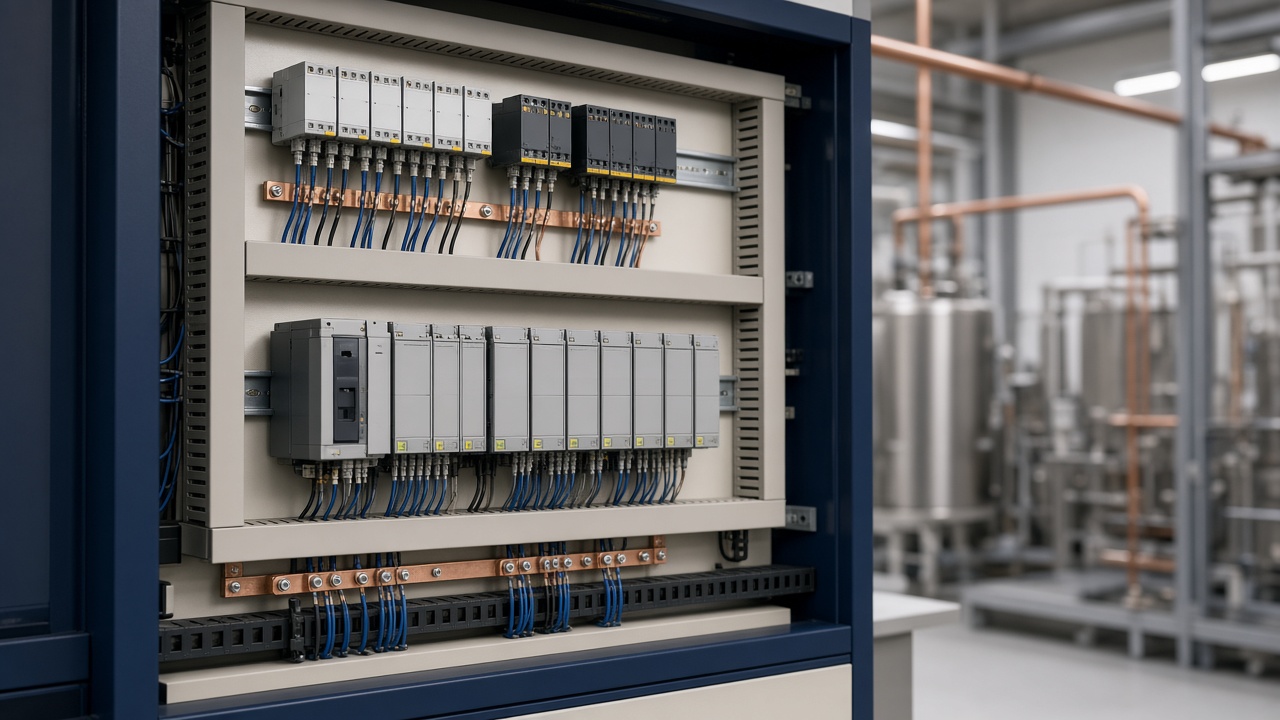
What this engagement covers
Safety function definition, SIL/PL target allocation, safety lifecycle structure, and evidence for assessors and customers: requirements, architecture, V&V and diagnostics.
Best fit for
- Machinery OEMs needing PL claims on safety-related parts of control systems
- Industrial electronics targeting SIL for sensors, relays, or logic solvers
- Robot / AGV / collaborative cell safety controllers
- Teams integrating certified safety components into a system-level claim
What's included
- Hazard & risk analysis interface to safety function definition
- SIL / PL target setting and architecture options (HFT, categories, subsystems)
- Safety requirements specification (SRS) structure
- Hardware/software lifecycle documentation map (IEC 61508 / ISO 13849)
- Diagnostics, proof-test, and PFH/PFD concept support
- Assessor / notified body interface and gap closure
Product types
Product classes covered under this service.
Safety PLCs & logic solvers
SIL-capable controllers and I/O
Safety sensors & light curtains
ESPE, scanners, interlocks as SRP/CS elements
Robot & cobot controllers
ISO 10218 / ISO/TS 15066 linked safety functions
AGV / AMR safety systems
Speed/separation monitoring, field switching
Burner / process safety (selected)
IEC 61511 interfaces when process sector applies
Variable speed drives with STO
Safe Torque Off and related functions
Technical categories
Integrity levels & metrics
Evidence packages
Regions & schemes
Market access is scheme-specific: filings and evidence by target region.
EU / UK
- •Machinery Regulation / Directive
- •Notified Body for certain safety components
- •CE technical file with FS evidence
Global industrial
- •IEC 61508 family assessments
- •Customer SIL/PL requirements (oil & gas, factory automation)
North America
- •OSHA / ANSI B11 / NFPA 79 interfaces
- •UL functional safety certifications where pursued
Directives & regulations
Machinery Regulation (EU) 2023/1230
Includes requirements affecting safety-related control systems
2006/42/EC (transition contexts)
Legacy machinery CE files still in the field
Low Voltage / EMC (supporting)
Electrical safety & EMC remain necessary but separate from SIL/PL
Key standards
| Standard | Focus |
|---|---|
| IEC 61508-1…7 | Functional safety of E/E/PE safety-related systems |
| ISO 13849-1 / -2 | Safety-related parts of control systems — PL |
| IEC 62061 | Functional safety of safety-related control systems (machinery) |
| IEC 61511 | Functional safety — safety instrumented systems (process) |
| IEC 61800-5-2 | Adjustable speed drives — safety requirements (STO etc.) |
| ISO 10218 / ISO/TS 15066 | Industrial / collaborative robot safety |
Marks & program keywords
Program stages
Classification through to market evidence.
Define
Hazards, safety functions, and integrity targets
Architect
Categories, HFT, diagnostics, and partitioning
Evidence
Lifecycle docs, V&V, and reliability data
Assess
Independent assessment readiness
Engineering notes
Element-level certification (e.g. a safety relay) is kept distinct from system-level PL/SIL claims.
Software per IEC 61508-3 or ISO 13849 software guidelines is scoped explicitly when your safety function depends on firmware.
Traceable safety case
Clear SIL/PL path
Assessor-ready package
Frequently asked questions
Which functional safety standard applies to my product?
IEC 61508 is the generic standard. Machinery uses ISO 13849-1 or IEC 62061, road vehicles use ISO 26262, the process industry uses IEC 61511, and household appliance controls use IEC 60730-1 (software classes B and C).
What is the difference between PL and SIL?
Both rate how reliable a safety function must be. Performance Level (PL a to e) comes from ISO 13849-1. Safety Integrity Level (SIL 1 to 4) comes from IEC 61508, and IEC 62061 uses SIL 1 to 3 for machinery.
When does a product need functional safety?
When a control system, software or electronics perform a function that keeps people safe, such as a protective stop, speed limit or interlock. Product standards and the risk assessment usually define which functions and what level.
Scope Functional Safety
30-minute consultation with Hazloc Labs on product type, target markets and existing reports.
Book Free CallRelated services
CE Marking & UKCA
Directives, harmonized standards, testing coordination and technical documentation for EU and UK market access.
EMC Compliance
Emissions and immunity across residential, commercial, and industrial environments — consulting, pre-compliance, and accredited lab coordination for FCC, CE, UKCA, ISED, and global markets.
RF & Wireless Certification
FCC, RED, ISED, MIC, ACMA, and multi-country radio paths for modules, hosts, and custom radios — including antenna and SAR considerations.