
Autonomous vehicles & ADS
Safety and compliance evidence for autonomous vehicles
ISO 26262, ISO 21448 (SOTIF), UL 4600, UNECE R10 / R155 / R156, and sensor and compute EMC and safety — scoped to your operational design domain and how you sell.
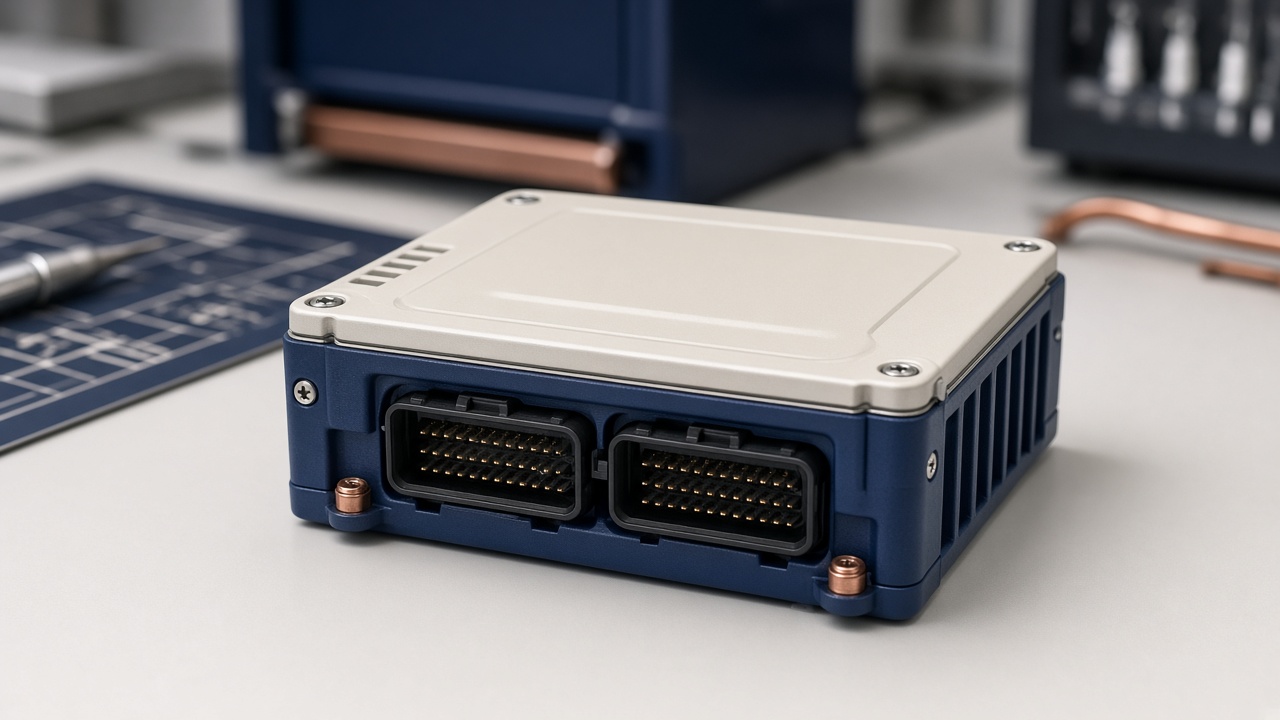
What this engagement covers
Autonomy programs are judged on a safety case, not a single certificate. We help you structure it: functional safety of the E/E architecture (ISO 26262), performance limitations and triggering conditions for perception and planning (ISO 21448 SOTIF), a system-level safety case for the autonomous product (UL 4600), and the UNECE regulations for EMC, cyber security and software updates where type approval applies. Then we plan sensor and compute EMC and electrical safety testing through accredited partner labs. Hazloc Labs does not issue certifications or type approvals — we engineer the path and coordinate the evidence.
Best fit for
- Automated driving system (ADS) and ADAS developers
- Robotaxi, autonomous shuttle and autonomous trucking programs
- Off-road and industrial autonomous vehicles (yard, mining, agriculture) borrowing automotive safety practice
- Lidar, radar, camera and compute-platform suppliers selling into autonomy programs
What's included
- Item definition, HARA and ASIL allocation (ISO 26262)
- SOTIF analysis — triggering conditions, unsafe scenarios and validation strategy (ISO 21448)
- Safety case structure and evidence mapping against UL 4600
- UNECE R155 cyber security management system (CSMS) and vehicle-type readiness
- UNECE R156 software update management system (SUMS) and OTA process evidence
- Sensor and compute EMC test planning (UNECE R10, CISPR 25, ISO 11452)
- Electrical and thermal safety review of compute and sensor units
Product types we support
Scope changes by product architecture — these are the classes we regularly take through this pathway.
Robotaxis & shuttles
Passenger ADS in a defined operational design domain
Autonomous trucks
Hub-to-hub and highway logistics
Delivery & sidewalk vehicles
Low-speed ADS — robotics standards may also apply
Off-road autonomous machinery
Yard tractors, mining haulage, agriculture
Perception sensors
Lidar, radar, cameras, ultrasonic modules
AV compute & domain controllers
High-power compute, gateways, data loggers
Technical categories
Sensor & compute EMC and safety checks
Safety case building blocks
Regions & schemes
Market access is scheme-specific. We map filings and evidence to the regions you actually sell into.
UNECE / EU type approval
- •UNECE R10 (EMC)
- •UNECE R155 (cyber security & CSMS)
- •UNECE R156 (software update & SUMS)
- •EU ADS type approval — Regulation (EU) 2022/1426
United States
- •FMVSS where applicable
- •NHTSA Standing General Order crash reporting
- •State AV testing and deployment rules
- •UL 4600 as a voluntary safety case benchmark
Other markets
- •UNECE regulations adopted by contracting parties
- •Local rules assessed case by case
Directives & regulations
UNECE Regulation No. 10
EMC of vehicles and electronic sub-assemblies (ESA)
UNECE Regulation No. 155
Cyber security and cyber security management system
UNECE Regulation No. 156
Software update and software update management system
Regulation (EU) 2019/2144
EU General Safety Regulation — vehicle safety and automated-driving framework
Implementing Regulation (EU) 2022/1426
Type approval of the ADS of fully automated vehicles
Key standards
| Standard | Focus |
|---|---|
| ISO 26262 series | Road vehicles — functional safety |
| ISO 21448 | Road vehicles — safety of the intended functionality (SOTIF) |
| ANSI/UL 4600 | Evaluation of autonomous products — safety case |
| ISO/SAE 21434 | Road vehicles — cybersecurity engineering |
| ISO 34502 | Scenario-based safety evaluation framework for automated driving systems |
| CISPR 25 | Radio disturbance characteristics for the protection of on-board receivers |
| ISO 11452 / ISO 7637 series | Component immunity and electrical transient test methods |
Marks & program keywords
How we work
One clear path from classification to market-ready evidence.
Define
Operational design domain, item boundary, and target markets
Analyse
HARA, SOTIF triggering conditions, and cyber TARA
Validate
Test, simulation, and EMC campaigns with partner labs
Argue
Safety case and regulatory dossier your reviewers can follow
Engineering notes
ISO 26262 covers malfunctions of E/E systems; ISO 21448 covers hazards from performance limitations of functions working as designed, such as perception misses. Autonomy programs need both, and UL 4600 asks how they come together in one safety case.
R155 and R156 assess management systems as well as the vehicle: the organisation’s CSMS and SUMS are assessed, then the vehicle type is approved against them. We help suppliers understand which evidence their OEM customer will ask for.
Safety case structure reviewers can follow
Clear R155 / R156 obligations
Sensor & compute EMC plan before vehicle builds
Frequently asked questions
Is UL 4600 mandatory?
In most markets UL 4600 is a voluntary standard. It is used to structure and assess the safety case for autonomous products and some customers reference it. We treat it as the backbone of the safety argument, not a certificate on its own.
Do sensor suppliers need R155 / R156?
Type approval under R155 and R156 is granted to the vehicle manufacturer, but OEMs pass requirements down the supply chain. Sensor and compute suppliers are typically asked for ISO/SAE 21434 work products and secure update support.
Ready to scope Autonomous Vehicles?
30-minute consultation with Hazloc Labs — bring your product type, target markets, and any existing reports.
Book Free CallRelated services
Automotive & Mobility Compliance
UNECE R10, CISPR 25, ISO 26262, ISO 21434, and OEM-specific validations for components, EVSE-adjacent gear, and mobility electronics.
Functional Safety
IEC 61508, ISO 13849, IEC 62061, and related functional safety for electronics, controls, and machinery safety functions.
Product Cybersecurity
EU Cyber Resilience Act, RED cybersecurity, IEC 62443, ETSI EN 303 645, and UL 2900 — threat modeling, SBOM, and evidence for market access.