
Automotive electronics
Automotive Electronics: EMC, Functional Safety and Cybersecurity
UNECE R10, CISPR 25, ISO 26262, ISO 21434, and OEM-specific validations for components, EVSE-adjacent gear, and mobility electronics.
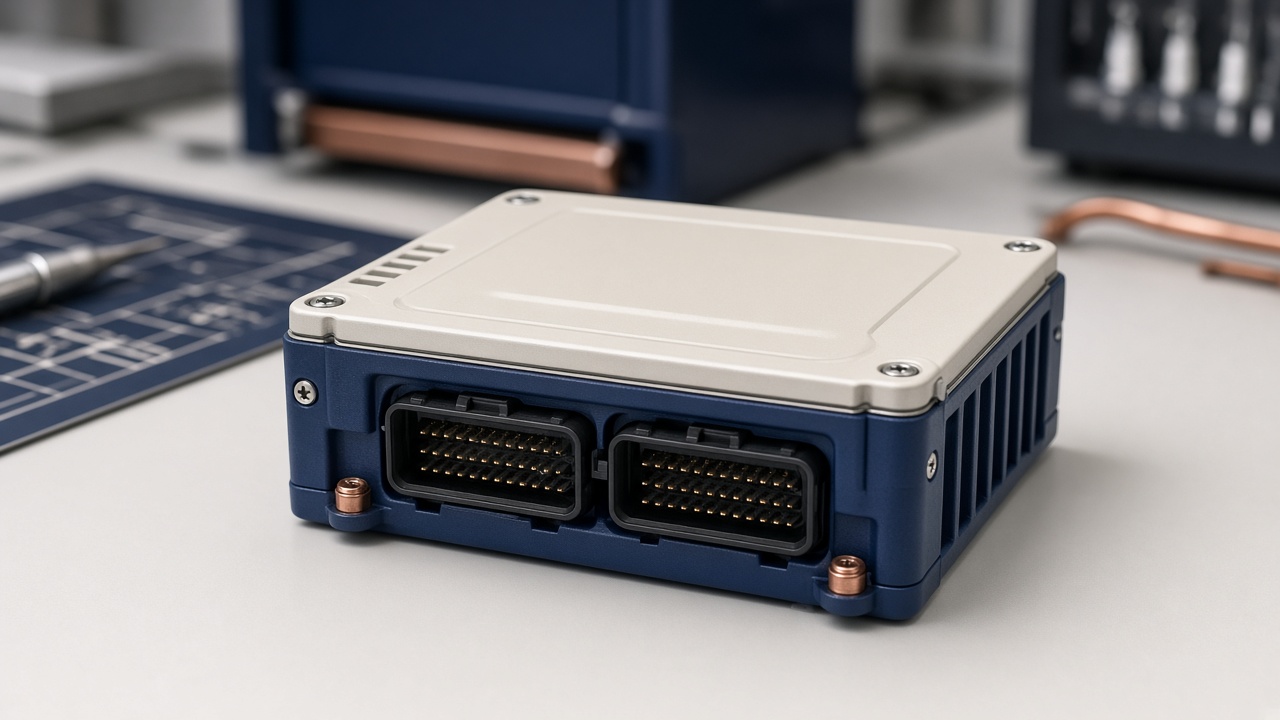
What this engagement covers
UNECE and EMC requirements, component validation to OEM specifications, ISO 26262 functional safety and ISO/SAE 21434 cybersecurity, with test and evidence plans matched to the vehicle integration level.
Best fit for
- Tier-1 / Tier-2 electronics suppliers
- Aftermarket and accessory electronics entering vehicle markets
- EVSE / charging peripherals with automotive EMC interfaces
- Teams needing ISO 26262 or ISO 21434 program structure
What's included
- Regulatory vs OEM-spec applicability map
- EMC plan (CISPR 25, ISO 11452, R10 as applicable)
- ISO 26262 safety lifecycle scoping (item / element)
- ISO 21434 cyber activities mapping
- Environmental / reliability test matrix coordination
- Documentation package for OEM PPAP-style reviews
Product types
Product classes covered under this service.
Body / domain ECUs
Controllers, gateways, zone modules
Infotainment & telematics
HU, TCU, connectivity modules
Sensors & cameras
Radar, ultrasonic, vision modules
Lighting electronics
LED drivers, adaptive lighting controls
Charging / power electronics (selected)
OBC interfaces, DC-DC, EVSE-adjacent
Aftermarket electronics
Dash cams, trackers, accessories — market-dependent
Technical categories
Typical validation buckets
ISO 26262 concepts
Regions & schemes
Market access is scheme-specific: filings and evidence by target region.
UNECE / EU type approval
- •UNECE R10 EMC
- •e-mark / type approval interfaces
- •Whole-vehicle vs component paths
OEM global
- •OEM specs (LV 124, GMW, Ford, Stellantis, etc.)
- •PPAP / APQP evidence expectations
United States
- •FCC (as applicable)
- •OEM validation
- •NHTSA interfaces when system-level
China / others
- •CCC / GB automotive EMC as applicable
- •local OEM specs
Directives & regulations
UNECE Regulation No. 10
EMC of vehicles and electronic sub-assemblies (ESA)
EU type-approval framework
Vehicle / system / component approval context
RED / CE (non-type-approved products)
Some aftermarket / portable products still use CE/FCC paths
Key standards
| Standard | Focus |
|---|---|
| CISPR 25 | Radio disturbance characteristics for vehicles / devices |
| ISO 11452 series | Component test methods for electrical disturbances |
| ISO 7637 series | Electrical transient conduction along supply lines |
| ISO 26262 series | Road vehicles — functional safety |
| ISO 21434 | Road vehicles — cybersecurity engineering |
| AEC-Q100 / Q200 (quality) | Stress qualification for ICs / passives — often OEM-required |
| LV 124 / equivalent OEM | Electrical and electronic components test requirements |
Marks & program keywords
Program stages
Classification through to market evidence.
Position
Component role, vehicle type, and target markets
Matrix
EMC, env, safety, cyber requirements
Validate
Lab campaigns and issue closure
Release
Evidence pack for OEM / type approval support
Engineering notes
A component-level CISPR 25 pass is not UNECE R10 type approval; ESA and vehicle-level obligations are defined by sales model.
ISO 26262 and ISO/SAE 21434 are lifecycle programs, scoped to the item boundary.
OEM-ready test matrix
FS/cyber scope clarity
Fewer late validation loops
Frequently asked questions
Which standards apply to automotive electronics?
ISO 26262 for functional safety of electrical and electronic systems, ISO 21448 (SOTIF) for safety of the intended functionality, ISO/SAE 21434 for cybersecurity engineering, and UNECE R10 for vehicle EMC. Component EMC is usually tested to CISPR 25 and ISO 11452.
What do UNECE R155 and R156 require?
R155 requires a certified cybersecurity management system and cybersecurity type approval for the vehicle. R156 does the same for software updates. In the EU both apply to all new vehicles registered from July 2024.
Which standards apply to EV chargers?
IEC 61851-1 for conductive charging systems and IEC 62196 for plugs and connectors. In North America, UL 2594 covers AC EV supply equipment and UL 2202 covers EV charging system equipment.
Which standards apply to e-bikes and e-scooters?
UL 2849 covers e-bike electrical systems and UL 2272 covers personal e-mobility devices such as scooters. In the EU, EN 15194 covers electrically power assisted cycles. Some US cities, including New York City, require these certifications for sale.
Scope Automotive
30-minute consultation with Hazloc Labs on product type, target markets and existing reports.
Book Free CallRelated services
CE Marking & UKCA
Directives, harmonized standards, testing coordination and technical documentation for EU and UK market access.
EMC Compliance
Emissions and immunity across residential, commercial, and industrial environments — consulting, pre-compliance, and accredited lab coordination for FCC, CE, UKCA, ISED, and global markets.
RF & Wireless Certification
FCC, RED, ISED, MIC, ACMA, and multi-country radio paths for modules, hosts, and custom radios — including antenna and SAR considerations.
Vehicles and charging equipment for classified areas: Hazardous locations (ATEX, IECEx, UL 121201) →