
Heavy & field machinery · Primary: EN ISO 12100 (+ IEC 60079 if classified)
Mining, outdoor & field robot compliance
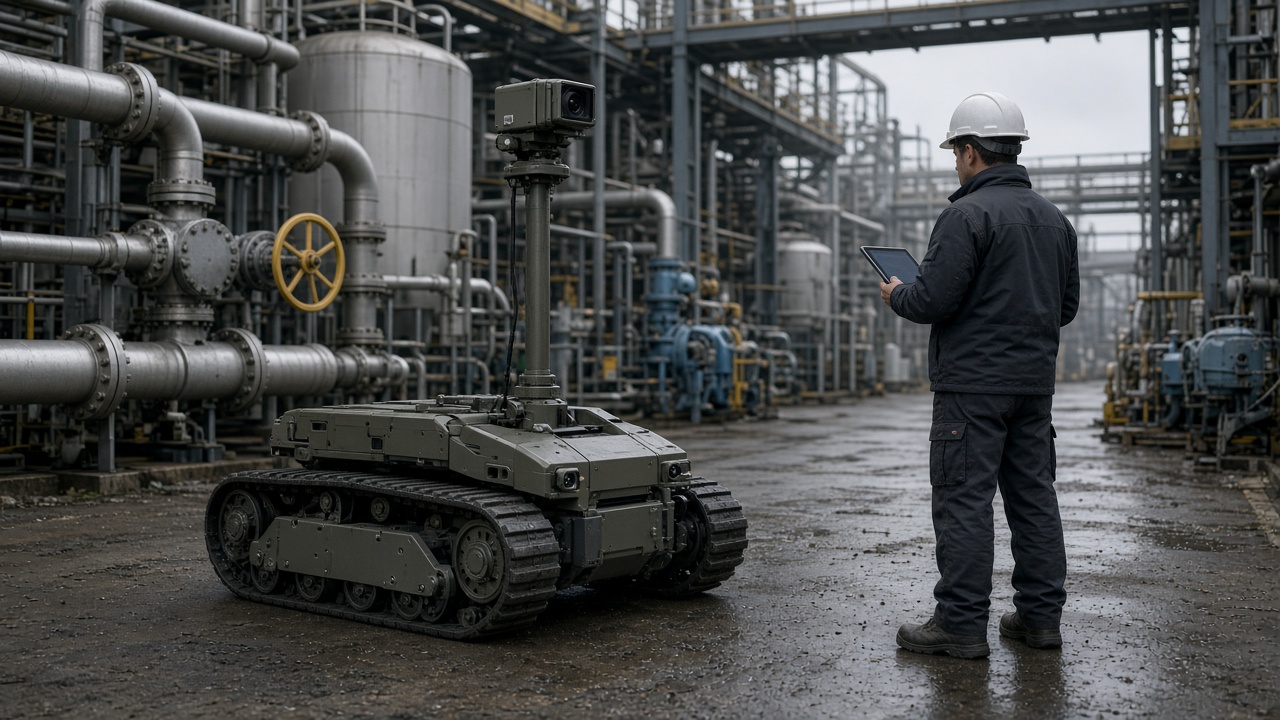
Rugged mobile robots for inspection, surveying, cleaning, and logistics in mines, energy sites, and outdoor industry — environmental, ingress, and explosive-atmosphere interfaces where they apply.
Built for: Inspection, mining, cleaning & outdoor service robot OEMs and site deployment teams
 EN ISO 12100 (+ IEC 60079 if classified)
What this category actually demands
Field robots earn their keep where people should not linger: mines, energy plants, tunnels, and outdoor infrastructure. Their compliance enemies are mundane — water in a connector, a lost link in a tunnel, a recovery that needs a person in the hazardous area the robot was sent to avoid.
And one question decides entire designs: will it enter a classified explosive atmosphere? If yes, ATEX/IECEx concepts drive the enclosure, battery, and surface-temperature design from day one. We settle that from the site classification before industrial design freezes.
Reality check
Where Mining, Outdoor & Field Robots programs stall
ATEX discovered at site induction
A robot built for ordinary locations cannot be “assessed into” a Zone 1. Classification first, or the deployment ends at the gate.
Recovery needs a hero
If a stalled robot must be retrieved by hand from the area it was meant to keep people out of, the concept is unfinished.
IP rating from a brochure test
Ingress evidence must match the actual site: washdown, dust, immersion, temperature — and aged seals, not new ones.
Safety architecture — Mining, Outdoor & Field Robots
The safety architecture we build with you
Every function below ends as a claim in your file — with a target performance level, an implementation, and a validation method. If one of these is missing for your product, that is where we start.
Environmental integrity
IP/IK and temperature evidence matched to the real site domain and maintenance state.
Comms-loss & recovery
Hold, return, or safe-park behaviour plus a recovery method that keeps people out of the hazard.
Site traffic interaction
Detection and behaviour around vehicles and plant machinery on shared routes.
Hazloc interface (if classified)
Ex concept, battery, and surface temperature designed to IEC 60079 from the classification.
How we help — from first sketch to site acceptance
One path, four gates. You keep design authority; we own the compliance thread through labs, assessors, and customer EHS reviews.
Gate 1
Domain & classification
Where it operates, who is exposed, which laws and type-C standards actually apply — before any test is booked.
Gate 2
Risk & safety architecture
ISO 12100 assessment turned into safety functions with PL/SIL targets your controls team can implement.
Gate 3
Validation
Measurements and tests on the real configuration — payload, speed, workpiece, ground — that close each safety claim.
Gate 4
File & acceptance
Technical file, DoC/DoI, instructions, and the site/customer acceptance pack, with change control that keeps it valid.
What you receive
- Site & environment operational domain definition
- Hazloc classification interface (when entering classified areas)
- Remote-operation & recovery safety analysis
- Environmental / battery evidence map
- Deployment site-handover pack
Standards, in context
These are starting points, not a shopping list. The applicable editions and clauses follow from your classification and markets — EU Machinery Regulation (EU) 2023/1230, UK machinery rules, or North American OSHA/ANSI expectations, layered with EMC, electrical, radio, and battery law where your product triggers them.
Go deeper: Service & field robots: outdoor compliance basics →
| EN ISO 12100 | Risk assessment for field operation |
| EN ISO 13849-1 / IEC 62061 | Safety-related controls |
| IEC 60079 / ATEX (where applicable) | Explosive-atmosphere equipment requirements |
| IP / IK & environmental standards (as applicable) | Ingress & mechanical robustness evidence |
| RED / EMC industrial environments | Radio & EMC for outdoor / industrial sites |
Questions we hear from Mining, Outdoor & Field Robots teams
Does our inspection robot need ATEX?+
Only if it will enter classified explosive atmospheres — then Ex concepts drive design. Site classification decides, not marketing.
Bring us your project — at any stage
Sketch, prototype, or a customer audit next month. A 30-minute scoping call maps your domain, standards, and evidence gaps.
Book Free CallKeep exploring Robotics
All Robotics →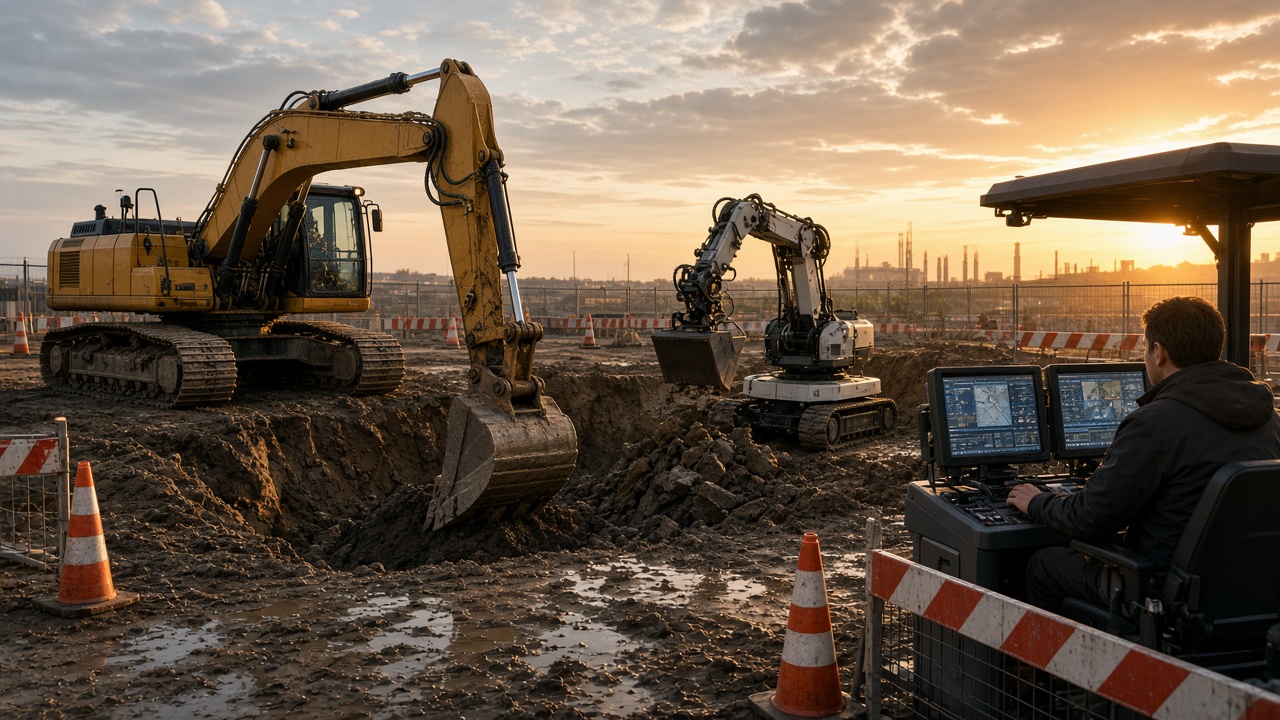
Heavy & field machinery
Construction Robots
Bricklaying, rebar, demolition, drilling, layout & surveying robots for live construction sites.
Heavy & field machinery
Earth-Moving & Construction Machinery
Excavators, loaders, dozers, telehandlers, and increasingly autonomous / remote-controlled site machinery.
Heavy & field machinery
Agricultural & Forestry Robots & Machinery
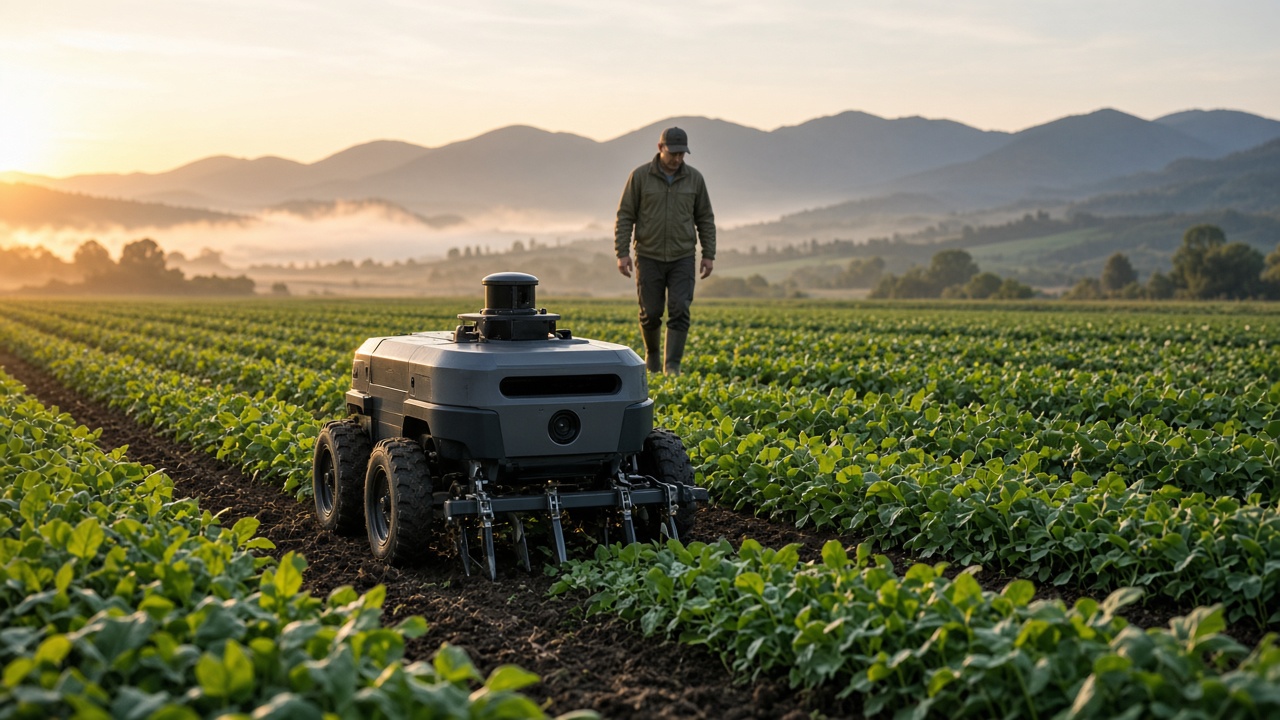
Tractors, implements, agricultural robots, harvesters, and forestry machinery — field, road, and bystander risks.